This year, we closely monitored and engaged on several bills throughout the Legislative Session. We started with three main priorities that guided our advocacy efforts on our immigrant family policies: protecting access to public programs, opposing legislation that makes it more difficult for parents to show up for their children, and monitoring the impact of legislation that affects immigrants more broadly. Similar to last year, the majority of the bills we opposed started in the House. However, this year, no package of bills were introduced by lawmakers.
We engaged in a range of strategies this session, from speaking in opposition to the bill during public comment to engaging with legislators directly to providing individuals with opportunities to take action. As immigration policy has remained a prominent issue, we are grateful to the 700+ individuals in our networks who took action this session to oppose legislation that would negatively impact immigrant families!
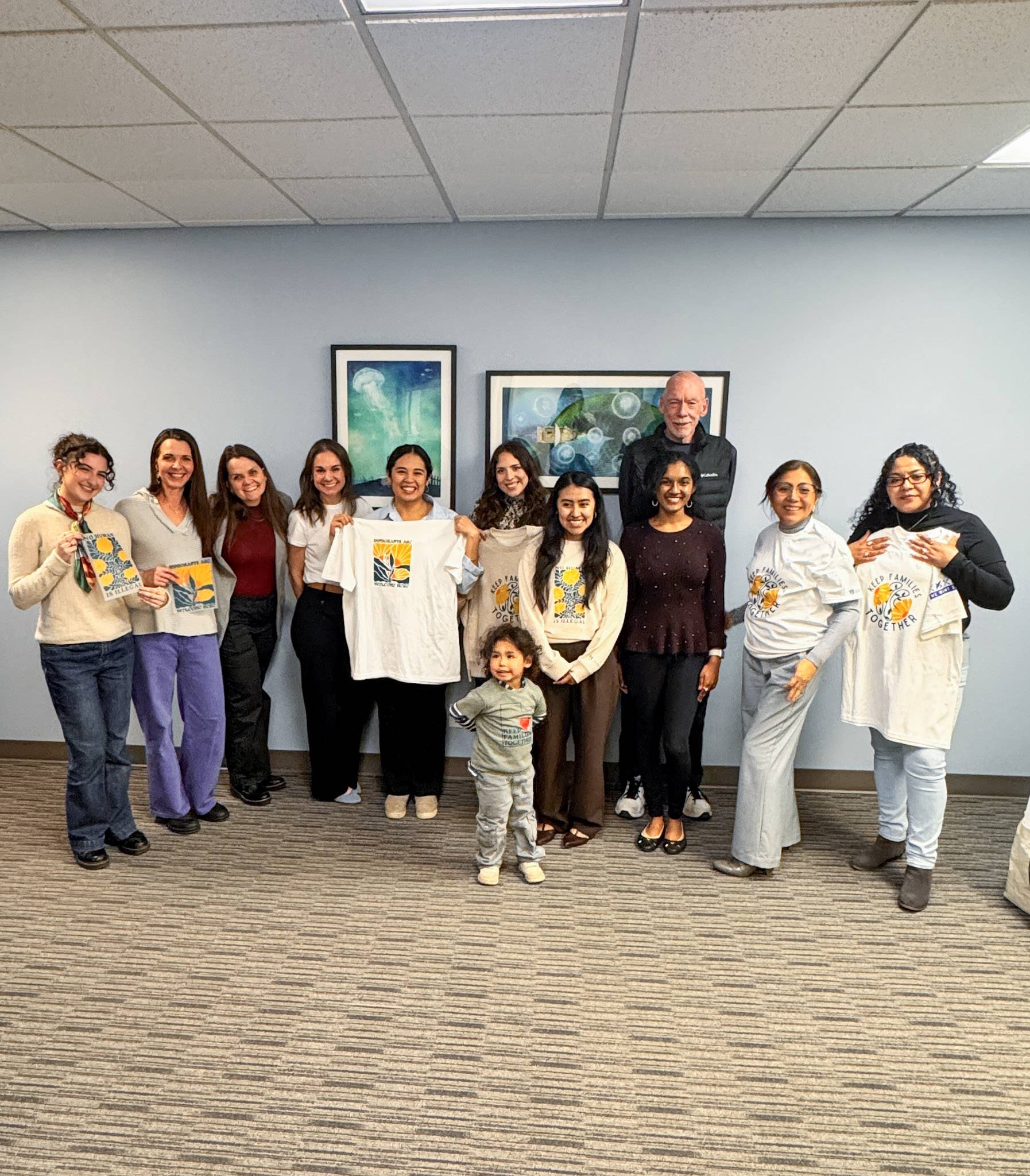
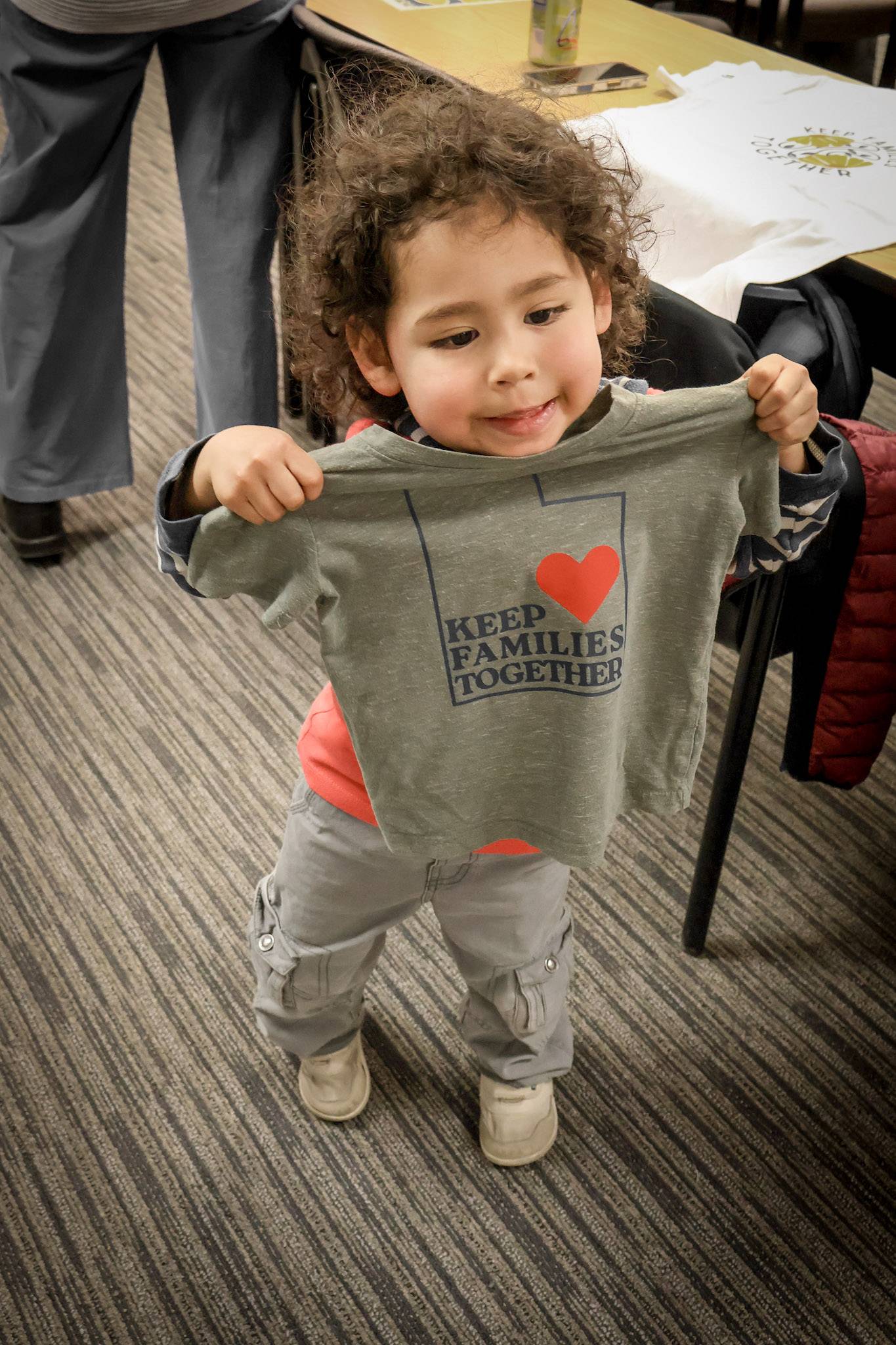
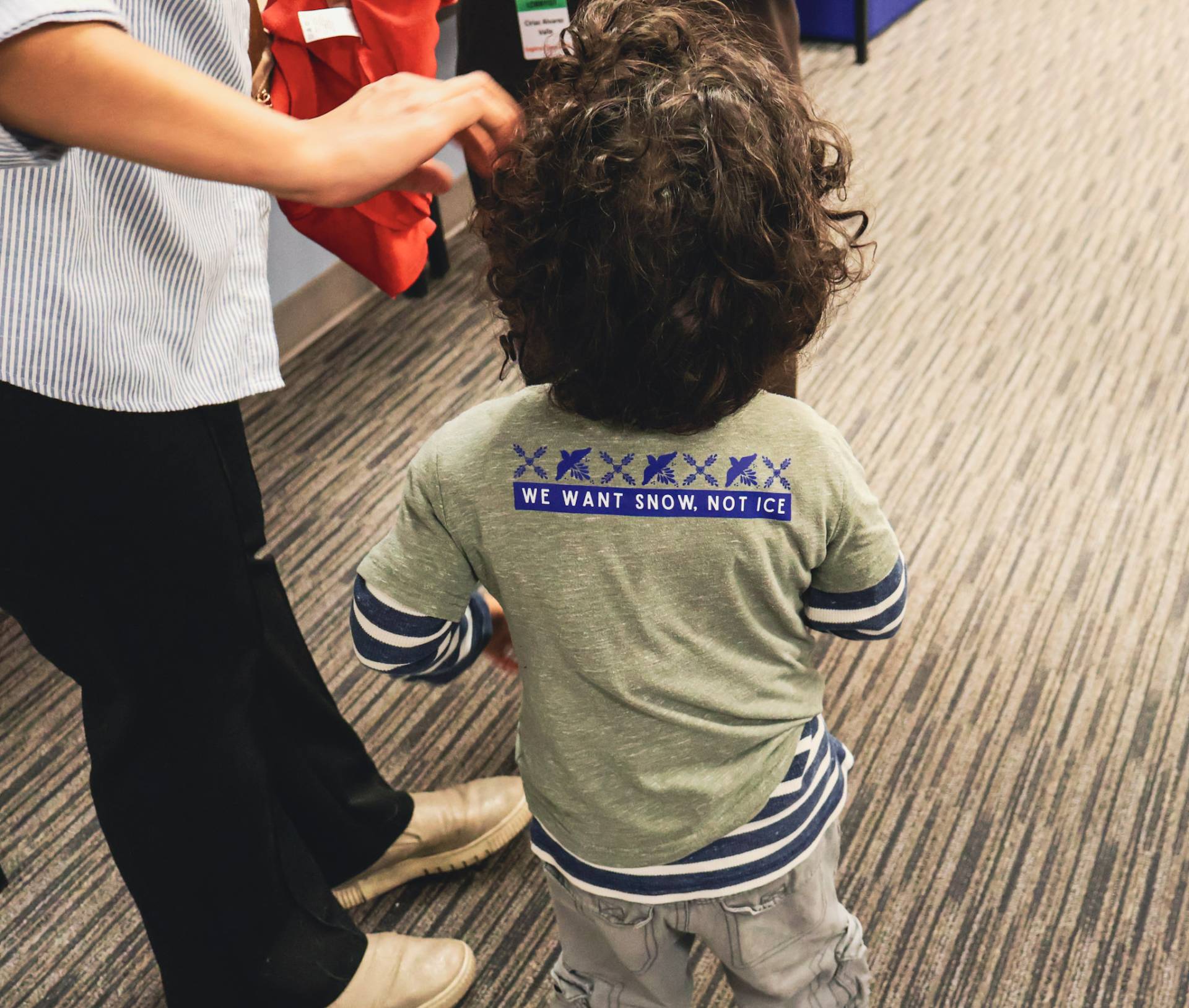
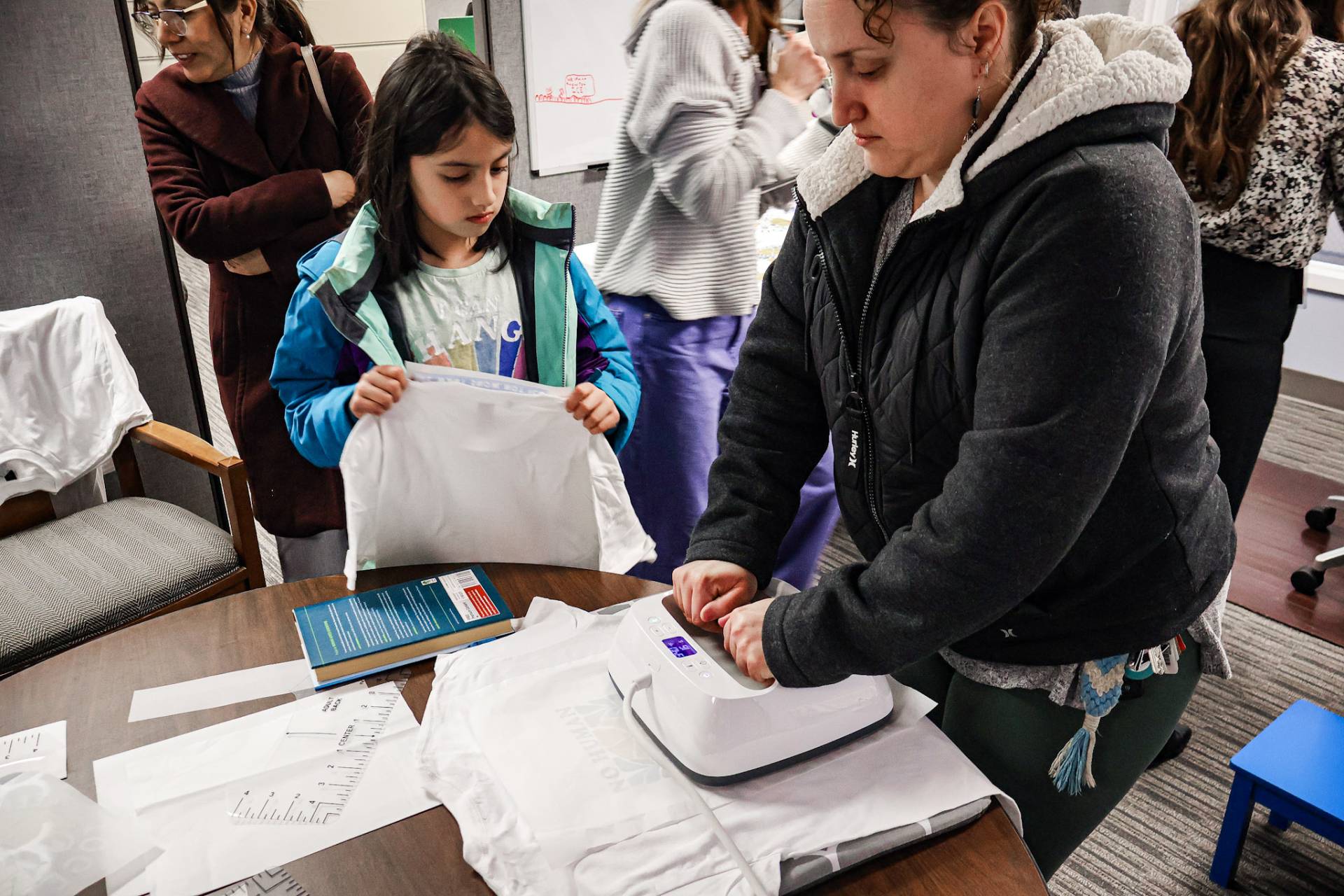
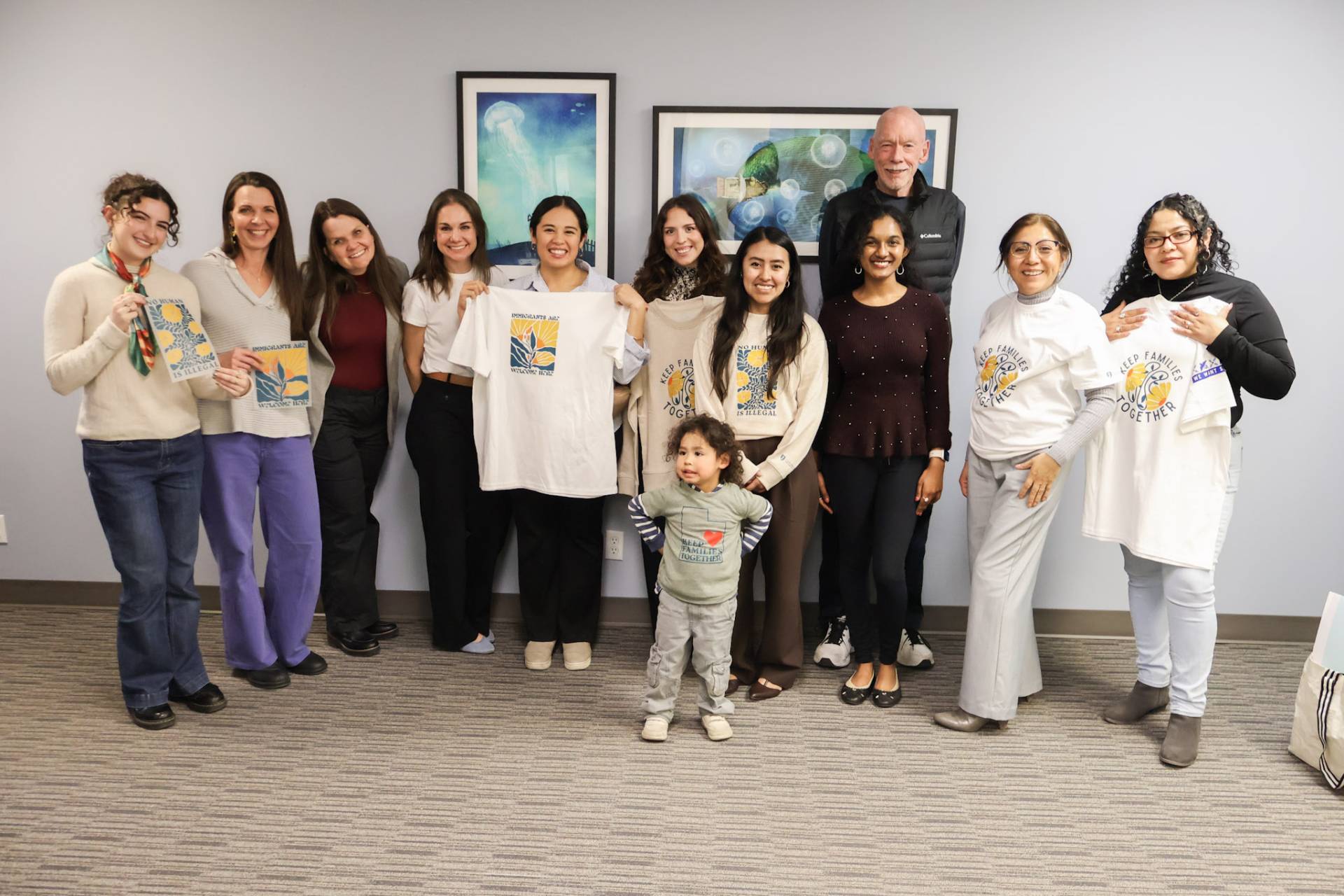
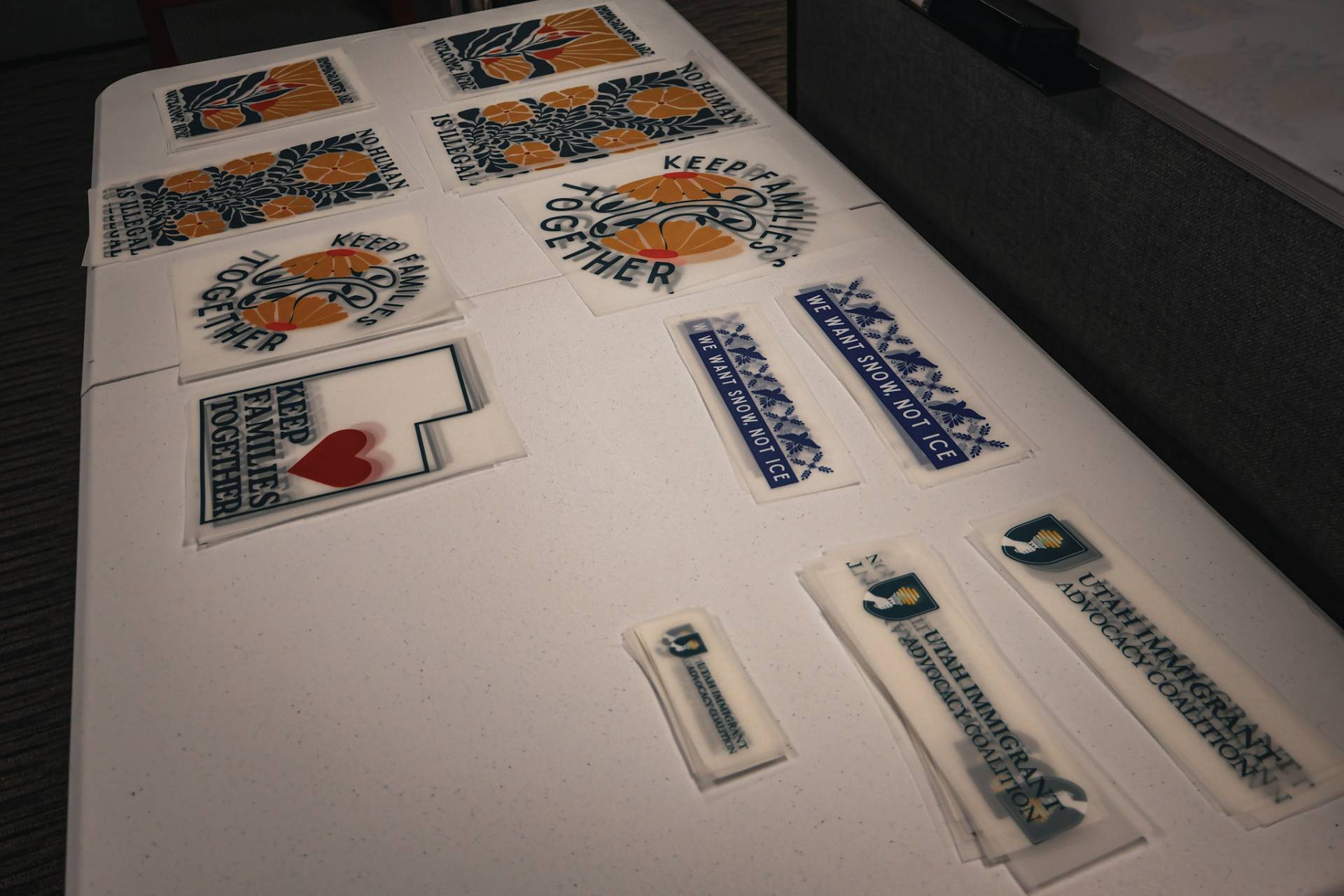
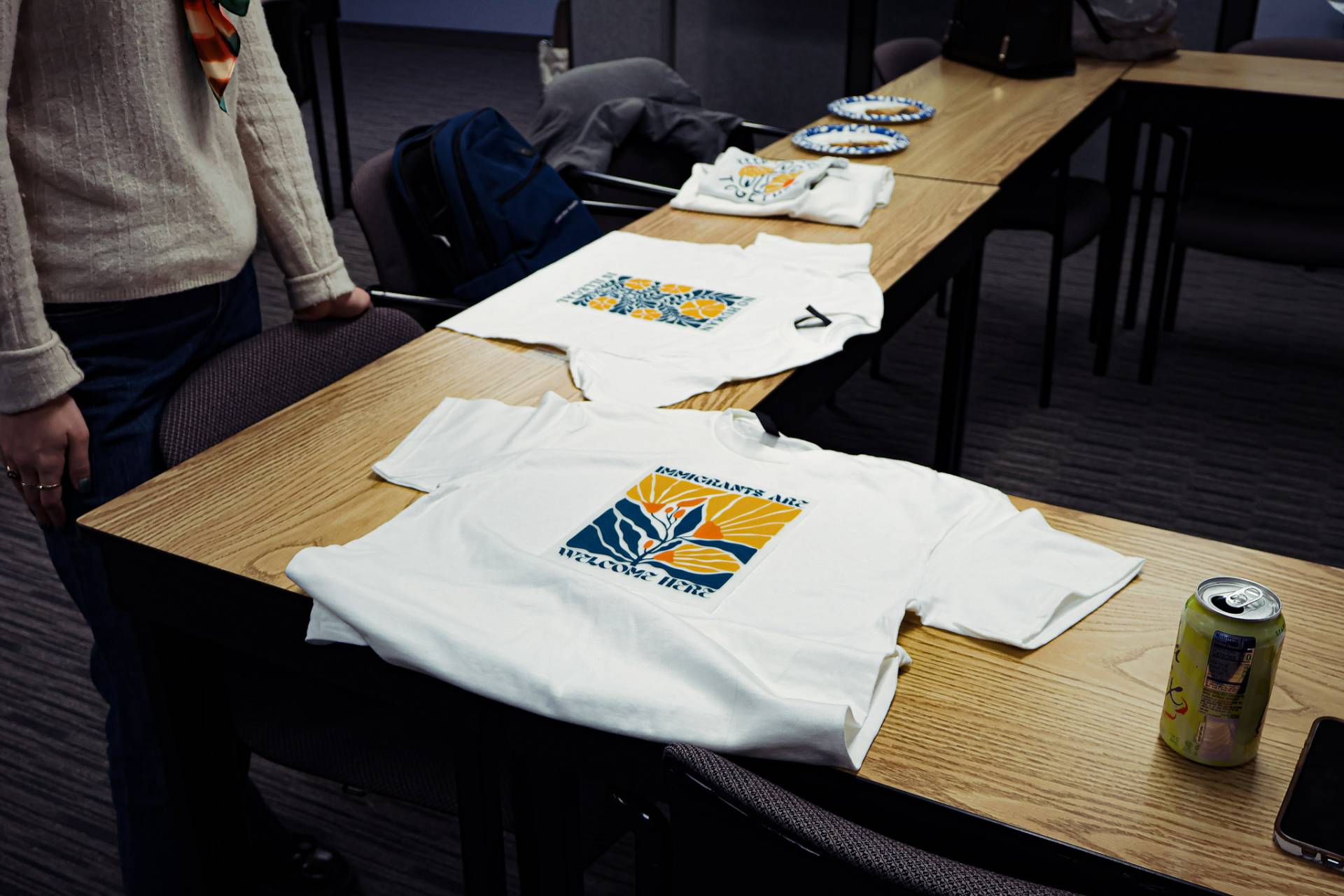
Throughout the session, much of our time was spent opposing HB88: Public Assistance Amendments. We joined partners such as the Protect Medicaid Utah Coalition and Utahns Against Hunger to ensure this harmful legislation did not pass. On the same night as the first committee hearing, we also hosted a Legislative Community Night, where we made t-shirts with powerful messages of hope and love for our immigrant children and families and gave updates about the Session.
Over 15 bills were introduced that could broadly impact immigrants.
Of the ten bills that failed to pass:
- We opposed 6
- We supported 2
- We were neutral on 2
Of the seven bills that ultimately passed:
- We were neutral (or became neutral) on 4
- We supported 1
- We opposed 1
The outcome of these bills is crucial as we look forward and ensure we protect the policies in our state that support the strong contributions, well-being, and rights of immigrant families in the coming year.
Overall, we are profoundly grateful to every legislator who opposed and spoke out against every harmful legislation considered. If passed, they would have only increased the climate of fear and created unnecessary burdens to immigrant families across our state. The bills not passing signify where our state stands, and how we can craft local policy without undermining the humanity and dignity of our immigrant communities.
Legislative Priority Outcomes
Below are the following outcomes from legislation we were tracking this session.
Bills that threatened access to public programs
HB88: Public Assistance Amendments (Failed)
POSITION: Oppose OUTCOME: Failed
Sponsor: Rep. Lee
This bill would have required state public assistance programs like WIC, vaccines, and treatment for communicable diseases to verify immigration status from everyone who receives it and block undocumented immigrants from receiving any aid.
This bill did not pass. It was circled on the House floor after its 6th substitute.
HB386: Immigration Amendments (Failed)
POSITION: Oppose OUTCOME: Failed
Sponsor: Rep. Shepherd
This bill would have repealed the Guest Worker Program and the Utah Pilot Sponsored Resident Immigrant Program Act. During the House floor debate, the second substitute, HB88 Sub 7, was inserted. The new substitute would have removed access to higher education for immigrant youth, among other harmful provisions.
This bill did not pass. It never received a Senate sponsor.
Bills that create barriers for parents to support their families
HB287 Immigrant Driving Amendments (Failed)
POSITION: Oppose OUTCOME: Failed
Sponsor: Rep. Lee
This bill would have repealed the Driving Privilege Card program and increased penalties for undocumented immigrants involved in a car accident.
This bill did not pass. It never came out of the Rules Committee.
HB136: Unlicensed Driver Amendments (Passed)
POSITION: Oppose OUTCOME: Passed
Changes the statute for driving without a license, increasing the penalty to a class B misdemeanor if the person has been previously convicted. If someone is driving without a valid driver's credential, an officer can seize their vehicle unless they meet one of the provisions. This bill also increases the impound fee and the circumstances under which a fingerprint should be taken (if they have no form of ID or the ID is fraudulent), unless there is a safety risk, they don't have adequate equipment, or the person is under 18, etc.
This bill passed. This bill takes effect on July 1, 2026.
Bills that impact immigrants more broadly
SB136: Enforcement Activities Amendments (Failed)
POSITION: Support OUTCOME: Failed
Sponsor: Sen. Blouin
This bill would have banned ICE agents from wearing masks during immigration enforcement in Utah and ensured that there are "sensitive locations" that ICE should not enter, such as hospitals and courts. While this bill did not pass, it provided some insight into how ICE collaborates with local law enforcement agencies and identified opportunities for us to continue engaging elected officials on this issue.
This bill did not pass its first Senate committee.
HB141: International Money Transmission Amendments (Failed)
POSITION: Opposed OUTCOME: Failed
Sponsors: Rep. Gricius & Sen. McCay
We know that this bill will really only impact mixed-status families who are trying to send remittances back to their country of origin/family members abroad.
This bill did not pass. It never received a hearing before a Senate Committee.
For a full list of the bills we tracked that impact immigrant families, along with the bill outcomes, please check out our summary table/list.
Weekly Updates
Here were the week by week updates we provided during the 2026 Legislative Session.
Week One
Here’s what happened during the first week with the immigration bills we are following!
- SB 136: Enforcement Activities Amendments was discussed in the Senate Judiciary, Law Enforcement, and Criminal Justice Committee and tabled by a 6-3 vote after over an hour of debate. This bill would ban ICE agents from wearing masks during immigration enforcement and establish "sensitive locations" (such as hospitals and courthouses) that ICE agents may not enter. It. For the bill to be considered again, 2/3rds of the committee must be in favor of bringing it back. Unfortunately, this means it will likely not move forward this year.
- HB 136: Unlicensed Driver Amendments was discussed in the House Transportation Committee, passed with a 9-3 vote, and will likely be voted on on the House floor sometime this week. This bill would increase the penalty for driving without a credential from an infraction to a misdemeanor, may impound a car, increase the impound cost, and may require biometrics (fingerprints) if someone doesn’t provide identification. This bill could affect immigrant drivers who have not been able to secure a “Driving Privilege Card (DPC)” because the DPC test can only be taken in English.
- HB 209: Voting Amendments was discussed in the House Government Operations Committee and passed 9-3, then passed 62-13 on the House floor, and will likely be heard in the Senate Committee this week. This bill would amend how the state determines and verifies whether a person is a U.S. citizen for voting purposes, allowing an election officer to independently determine if a registered voter is not a U.S. citizen. This bill could impact eligible voters (including immigrants who are citizens) who cannot provide a birth certificate, U.S. passport, or other proof to vote in state elections.
Week Two
During week two, we had one of the immigration bills we are following heard in committee and moved forward.
- HB0141: International Money Transmission Amendments was discussed in the House Revenue and Taxation Committee and passed with an 8-2 vote & circled on the House floor. This bill creates a new 2% tax on money sent from Utah to another country, effective January 1, 2027. The customer pays the tax if they do not have a valid identification. Money transfer companies must send the tax money and reports to the state each year, and must show the tax as a separate line on the receipt. The tax does not apply if the customer presents valid identification (such as a U.S. passport, state driver's license, military ID, or certain H2B/H2A visas). Unfortunately, a Utah driving privilege card, a foreign passport, or other foreign identification does not qualify as valid identification for this exemption. This bill could affect immigrants who have only foreign identification and are sending remittances to their families in their countries of origin.
We are continuing to monitor our other bills as they are placed on committee agendas and heard on the House and Senate floors during the next few weeks.
Week Three
Here is a recap of what happened during week three of the session as it relates to immigrant families. The following bills did not move forward due to timing and other restraints. We do expect them to move forward next week.
- HB0141 International Money Transmission Amendments is 18th on the House 3rd Reading Calendar and may be heard next week.
- HB0136 Unlicensed Driver Amendments was circled on the House floor, and may be heard next week.
- HB0209 Voting Amendments was not considered by the Senate Judiciary, Law Enforcement, and Criminal Justice Committee because the committee ran out of time, but it will most likely be heard next week.
The following bills moved forward during week 3.
- HB0118 Driver Training Schools for Commercial Driver License Amendments passed out of the House Transportation Committee 8-2. This bill would require an applicant and a CDL driver training school to sign a form that attests to their English proficiency.
- SB0110 Marriage Amendments passed the Senate Floor 18-7 . This bill would get rid of Utah's common-law marriage, which some immigrants and refugees rely on to get legal documentation of their marital status.
The following new bills were released this week that would be harmful to immigrant families, including HB471 and HB454. These are two bills we will oppose as the session continues.
- HB0471 Social Services Amendments: This is a dangerous bill that includes a provision requiring public employees to report public program applicants to Immigration and Customs Enforcement (ICE) if their applications are denied.
- HB0454 Public Assistance Fraud Amendments: This bill could impact community-based organizations that provide enrollment assistance to families, putting them at risk of criminal convictions if they knowingly help submit inaccurate public assistance applications. The challenge of proving intent (“knowing”) could place many assisters at risk as they help families navigate complex paperwork.
Week Four
We are officially more than halfway through the General Legislative Session. With three weeks remaining, here is what happened with the immigration bills we are tracking.
The following three House bills moved from the House to the Senate:
- H.B. 118 Driver Training Schools for Commercial Driver License Amendments: passed the House 3rd reading calendar 58-13
- H.B. 136 Unlicensed Driver Amendments: passed the House 3rd reading calendar 55-12H.B. 141 International Money Transmission Amendments: passed the House 3rd reading calendar 58-15
This bill is almost through the whole process, and will likely pass in this fifth week:
- H.B. 209 Voting Amendments: passed Senate Judiciary, Law Enforcement, and Criminal Justice Committee 5-2 and Senate 2nd Reading Calendar 21-8, and is placed on 3rd reading calendar
This Senate bill will be moving from the Senate to the House this week:
- S.B. 110 Marriage Amendments: will be heard in the House Judiciary Committee this week.
The following bills will be heard for the first time in the House committees this week:
- HB88: Public Assistance Amendments will be heard in the House Law Enforcement and Criminal Justice Committee on Tuesday, Feb. 17th. This is a harmful bill that broadly affects anyone accessing a public assistance program. To learn more, visit our blog here.
- HB471 Social Services Amendments will be heard in the House Health and Human Services Committee on Wednesday, February 18th. The first substitute of this bill removed many provisions that could have directly negatively impacted immigrants in our state.
Week Five
This week, we wrapped up the fifth week of Utah’s legislative session. The majority of the bills we are tracking began in the House and have steadily moved through the process towards the Senate.
One bill is on the Senate Third Reading Calendar, and has continued to stay circled on the floor:
- HB209S Voting Amendments would require every eligible voter to provide proof of citizenship, such as a U.S. passport or birth certificate, to vote in state elections, increasing burdens for eligible voters
The next two bills moved from the House side and are going to be considered in their second committee hearing on the Senate side:
- HB118 Driver Training Schools for Commercial Driver License Amendments that add a requirement to verify CDL applicants’ English proficiency.
- HB141 International Money Transmission Amendments adds a 2% tax on individuals sending money internationally and will really only impact those with foreign passports or consular cards.
- HB136 Unlicensed Driver Amendments would increase penalties for unlicensed drivers and increase the likelihood that vehicles driven without a license will be impounded. Our concerns center on those who haven't been able to take the DPC because the test is only available in English.
The next few bills were heard in their House committee and will be heard on the House Floor, likely this week:
- HB88 Public Assistance Amendments will make it so basic assistance programs like shelters or food pantries will have to verify the lawful status of anyone who seeks services, increasing barriers and burdens to everyone
- HB294 Employer Verification Amendments increases the use of e-verify for businesses that hire 100 or more employees; currently, the threshold is 150 or more.
Lastly, the following bills were returned to House Rules:
- SB110 Marriage Amendments would eliminate common-law marriage, which some immigrants use during the immigration process. This bill was returned to rules due to a fiscal impact after passing its House Committee.
- HB244 Employment Amendments would have prohibited an employer from taking certain actions based on an employee's voluntary cooperation with a law enforcement officer. The Sponsor asked that the bill be held and returned to the Rules Committee.
Week Six
We just wrapped up the sixth week of the legislative session. Here is everything you need to know about what happened.
-
HB88: Public Assistance Amendments was heard on the House Floor and, with much debate, was circled, which seemed to show the full lack of support from all legislators given the broad impact that this bill could have. Unfortunately, we saw a 7th substitute that removed many provisions but continued to impact mixed-status immigrant families.
-
HB0386 SUB 2: Immigration Amendments was heard on Friday afternoon, and its second substitute showed how HB 88 Sub 7 was inserted into this bill. The first version of the bill was regarding the repeal of the Guest Worker Program and the Utah Pilot Sponsored Resident Immigrant Program Act. Click here to tell your Senator to Vote NO on this harmful substitute!
Here is what happened with some of the other bills we are tracking!
One bill is on the Senate Third Reading Calendar, and has continued to stay circled on the Senate floor:
- HB209 Voting Amendments would require every eligible voter to provide proof of citizenship, such as a U.S. passport or birth certificate, to vote in state elections, increasing burdens for eligible voters
The next two bills were heard in the Senate Committee and are now on the Senate Second reading calendar:
- HB118 Driver Training Schools for Commercial Driver License Amendments that add a requirement to verify CDL applicants’ English proficiency passed the Senate Transportation, Public Utilities, Energy, and Technology Committee 5-1.
- HB136 Unlicensed Driver Amendments would increase penalties for unlicensed drivers and increase the likelihood that vehicles driven without a license will be impounded. Our concerns center on those who haven't been able to take the DPC because the test is only available in English. This bill passed the Senate Transportation, Public Utilities, Energy, and Technology Committee 5-2.
Awaiting Senate Committee Hearings:
- HB141 International Money Transmission Amendments adds a 2% tax on individuals sending money internationally and will really only impact those with foreign passports or consular cards. This bill was sent to the Senate Business and Labor Committee and is waiting for a committee hearing.
- HB294 Employer Verification Amendments increases the use of e-verify for businesses that hire 100 or more employees; currently, the threshold is 150 or more. This bill was sent to the Senate Government Operations and Political Subdivisions Committee and is waiting for a committee hearing.
Week Seven
The last week of the session is always full of rapid changes, increased voting on the House/Senate Floors, and quicker discussions. Below are key insights on a few bills we tracked over the last few weeks that stalled, along with context on those that ultimately passed. As the session has ended, we will continue to share information on the implementation of the bills that passed and how they will impact immigrant families.
Did not pass:
- HB88: Public Assistance Amendments/HB386 Sub2: Immigration Amendments. After the lengthy debate with the additional harmful substitute inserted into HB386, this legislation did not move forward. In the end, HB386 did not receive a Senate sponsor and never moved forward after passing the House floor. HB88 remained circled until it was returned to the House Rules Committee at the end of the session.
- HB294 Employer Verification Amendments would have required E-Verify for private employers with 100 or more employees (initially 50 or more), starting July 1, 2027, and would have imposed criminal penalties for using false documents. This bill failed to pass the Senate Committee shortly after the threshold was changed to 125. This is the second year this bill has been introduced and failed.
- HB141: International Money Transmission Amendments. This bill would have added a 2% tax on money transmissions sent to a foreign country by licensed money transmitters or their authorized agents beginning January 2027. The tax would be paid by the customer, collected at the time of the transaction, and would require an itemized receipt. This bill did not receive a Senate Committee hearing and was not heard on the Senate floor. This is the second year this bill has been introduced.
The following bills passed and are awaiting being signed by Governor Cox:
- HB209 Voting Amendments will require every eligible voter to provide proof of citizenship, such as a U.S. passport or birth certificate, to vote in state elections.
- HB118 Driver Training Schools for Commercial Driver License Amendments adds an English proficiency verification requirement for CDL driving schools and applicants. This bill takes effect on May 6th, 2026.
- HB136 Unlicensed Driver Amendments: Changes the statute for driving without a driving credential. If someone is driving without a driving credential, an officer can take their vehicle unless the driver only has an expired license, if seizure would create a safety risk or interfere with other public safety duties, if the driver is under 18, or if another licensed individual present or reasonably available can operate or retrieve the vehicle with the owner’s permission.
- HB 471 Sub 1: Social Services Amendments: codifies HR1/OBBB provisions into state statute, including limiting the lawful presence statuses eligible for Medicaid and SNAP. We initially opposed this bill because of provisions that would have required public employees to report applicants for public programs to Immigration and Customs Enforcement (ICE) if their applications were denied. The first substitute removed these provisions and was substituted during the first House committee. This bill takes effect later this year, with various start dates due to the implementation dates of HR1.
In the News
- Controversial measures in Utah immigration bill advance after being tucked into new legislation (Salt Lake Trib)
- Utah bill to strip public assistance from undocumented immigrants passes committee 7-3 (KUTV)
- Utah House OKs bill taxing funds sent abroad; sponsor says it's aimed at drug traffickers (KSL)
- Utah's nuclear option on immigration: no banking, no jobs, no homes, no sanctuary (Utah Political Watch)
- New Utah bill would turn Medicaid and SNAP offices into ICE tip lines (Utah Political Watch)
- Bill aimed at immigrants in Utah illegally sparks backlash; sponsor senses 'massive support' (KSL)
- The national immigration debate comes to Utah: Here’s what state lawmakers are proposing (SL Tribune)