The 2026 session ended with generally positive outcomes for children's health policy, but the primary focus throughout, from the start to the end, was defense. Going into the session, we anticipated bills targeting the State CHIP program even beyond the already-known trigger rule to end the program included in HB 15 Medicaid Amendments. This was confirmed as CHIP surfaced in multiple proposals, including the initial proposed cut list from the Social Services Appropriations Subcommittee, which was later removed, along with most of the most harmful cuts to services, after pushback from advocates and citizens across the state.
Although several bills addressing specific aspects of children's health and safety were introduced during the session, a significant portion of our efforts was dedicated to opposing legislation that negatively affects entire families. This included bills that would create a chilling effect, making healthcare less accessible to eligible children, particularly centered on legislation impacting immigrant families and parents who would lose Medicaid coverage due restrictions for immigrants and implementation of HR1.
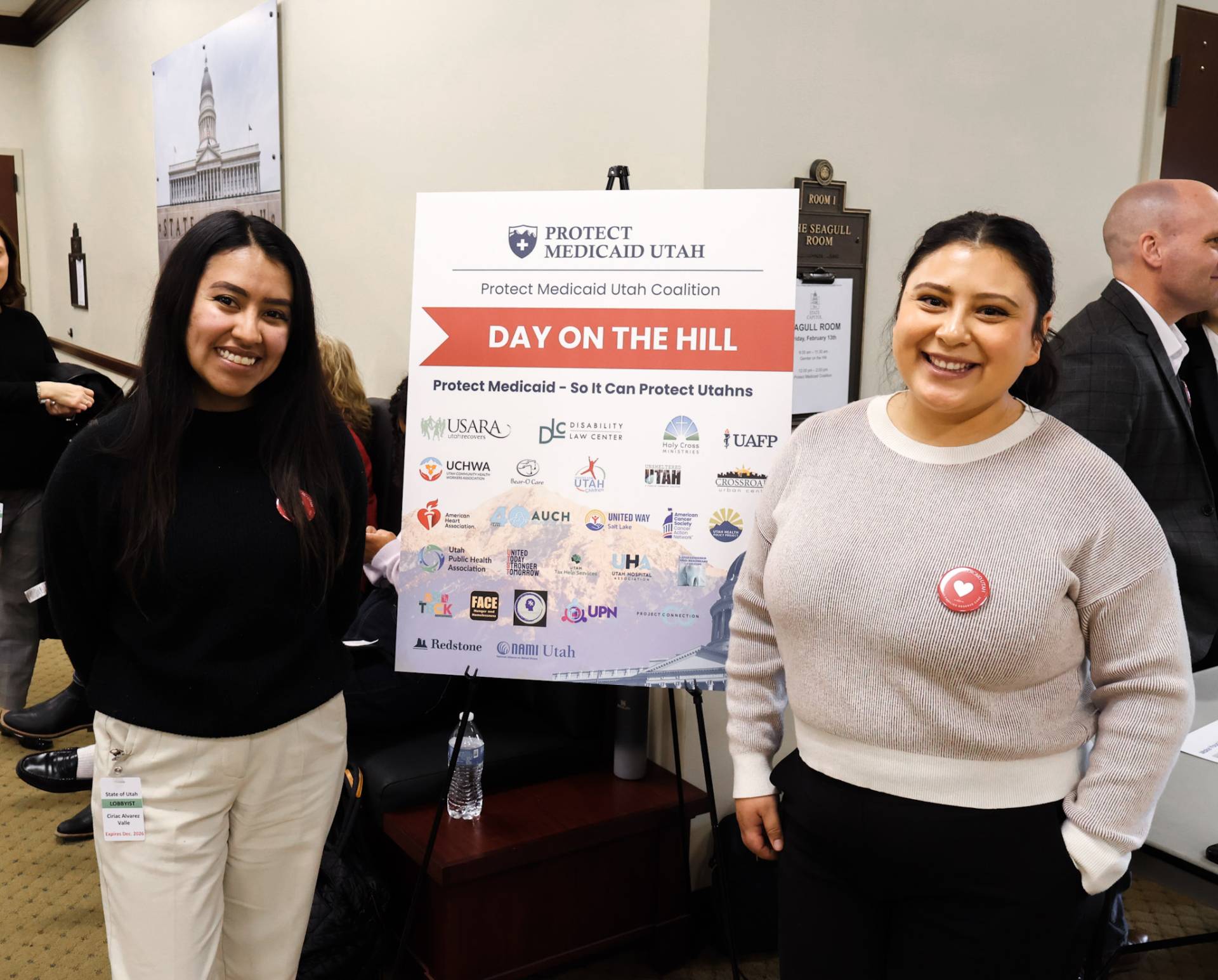
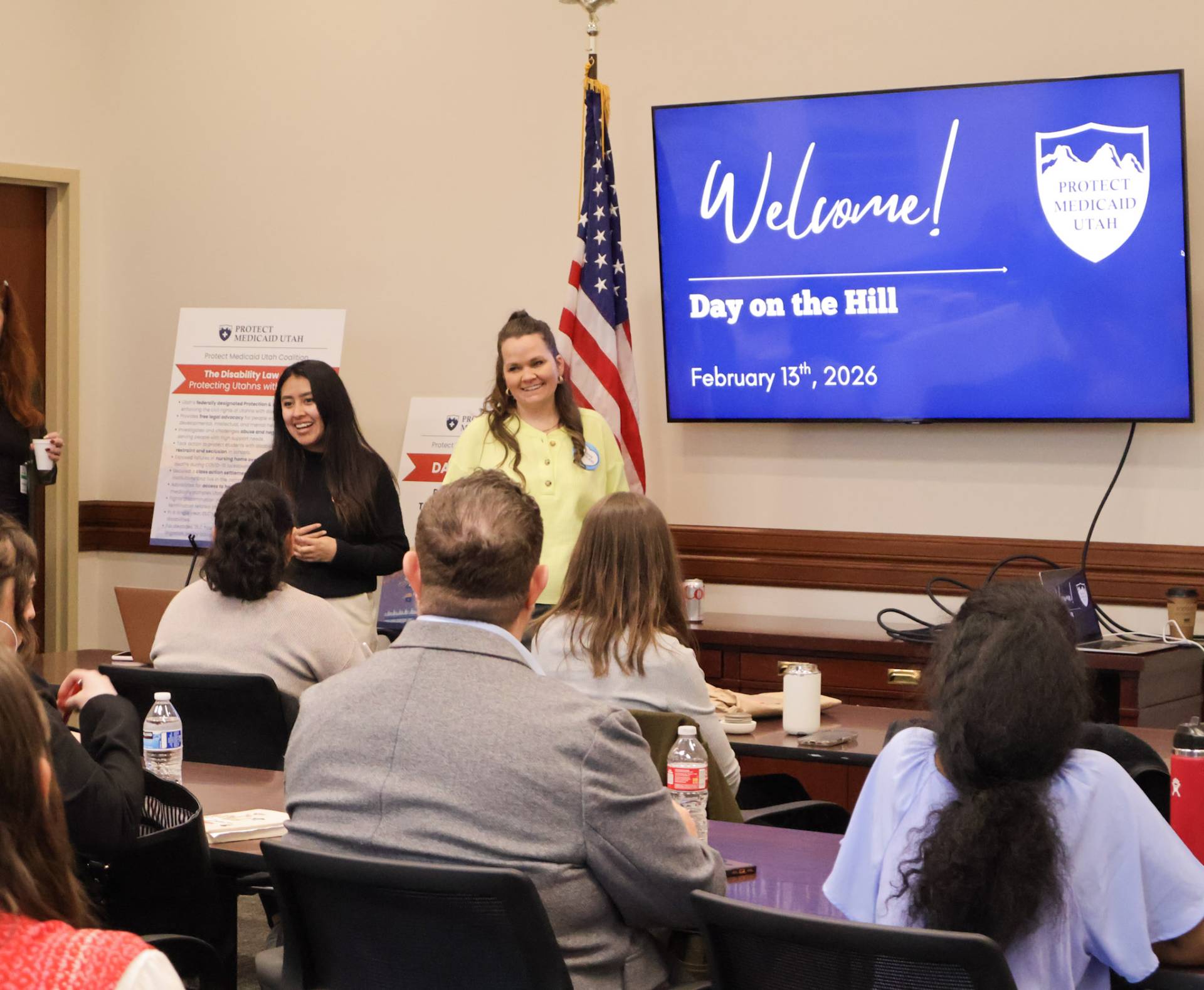
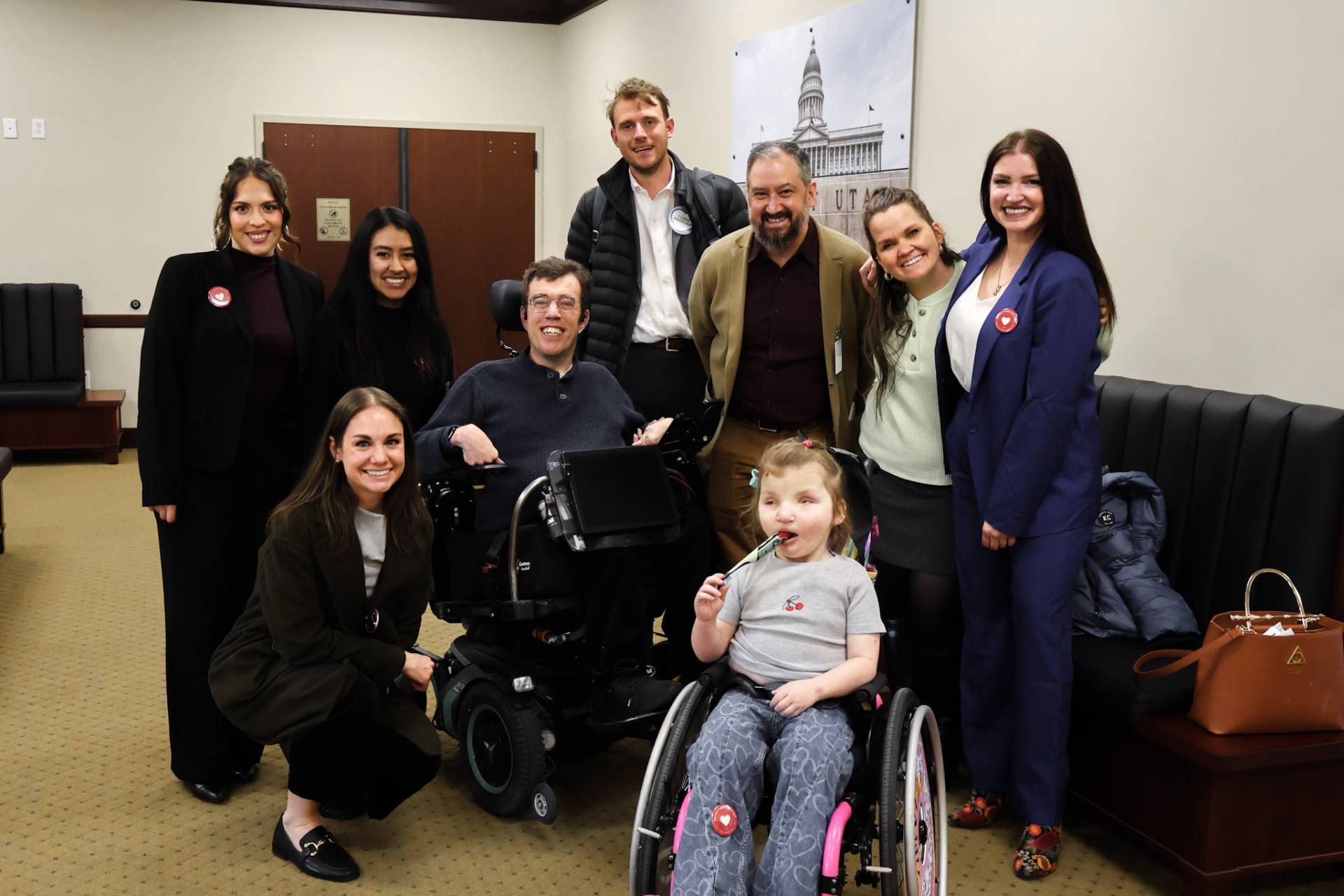
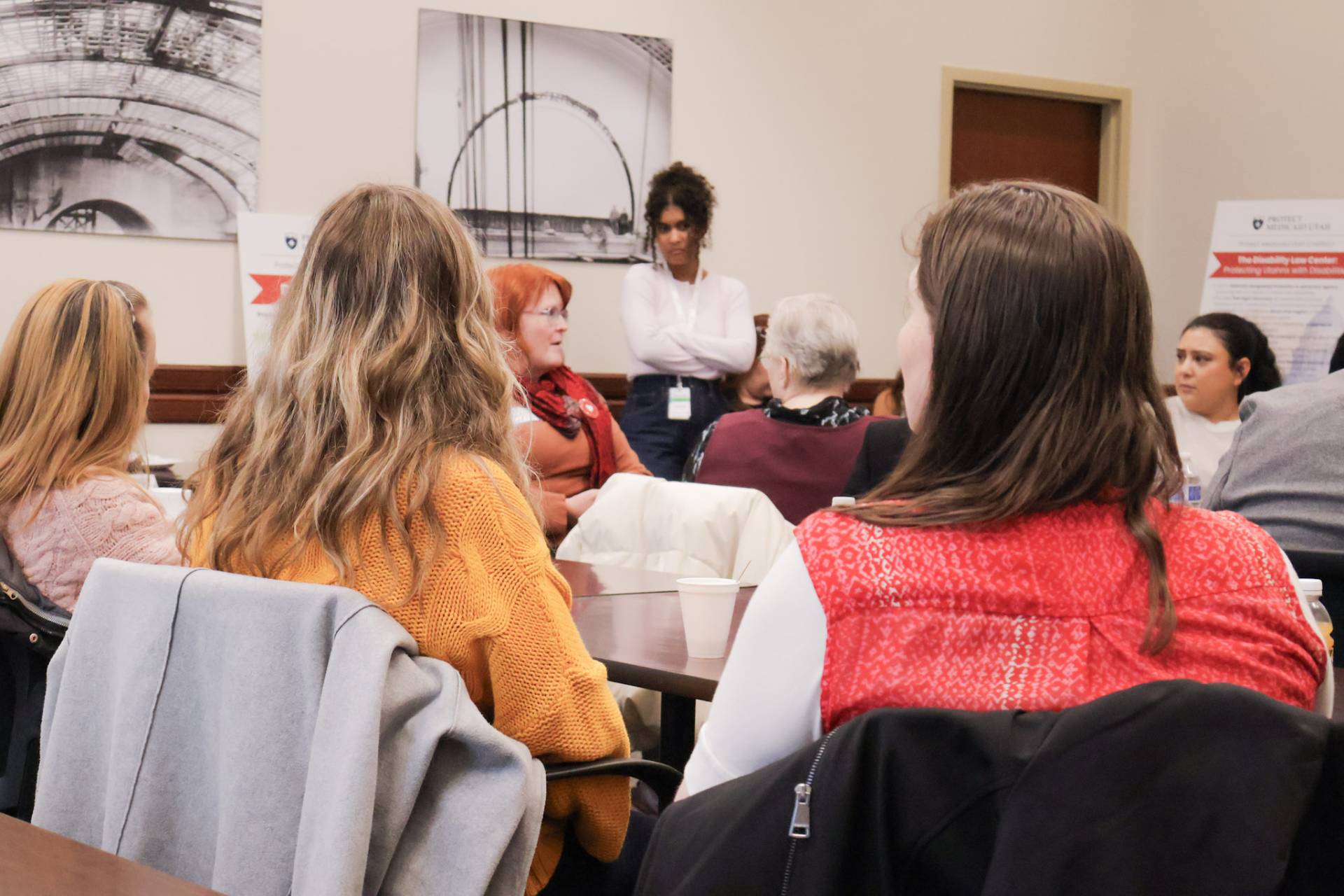
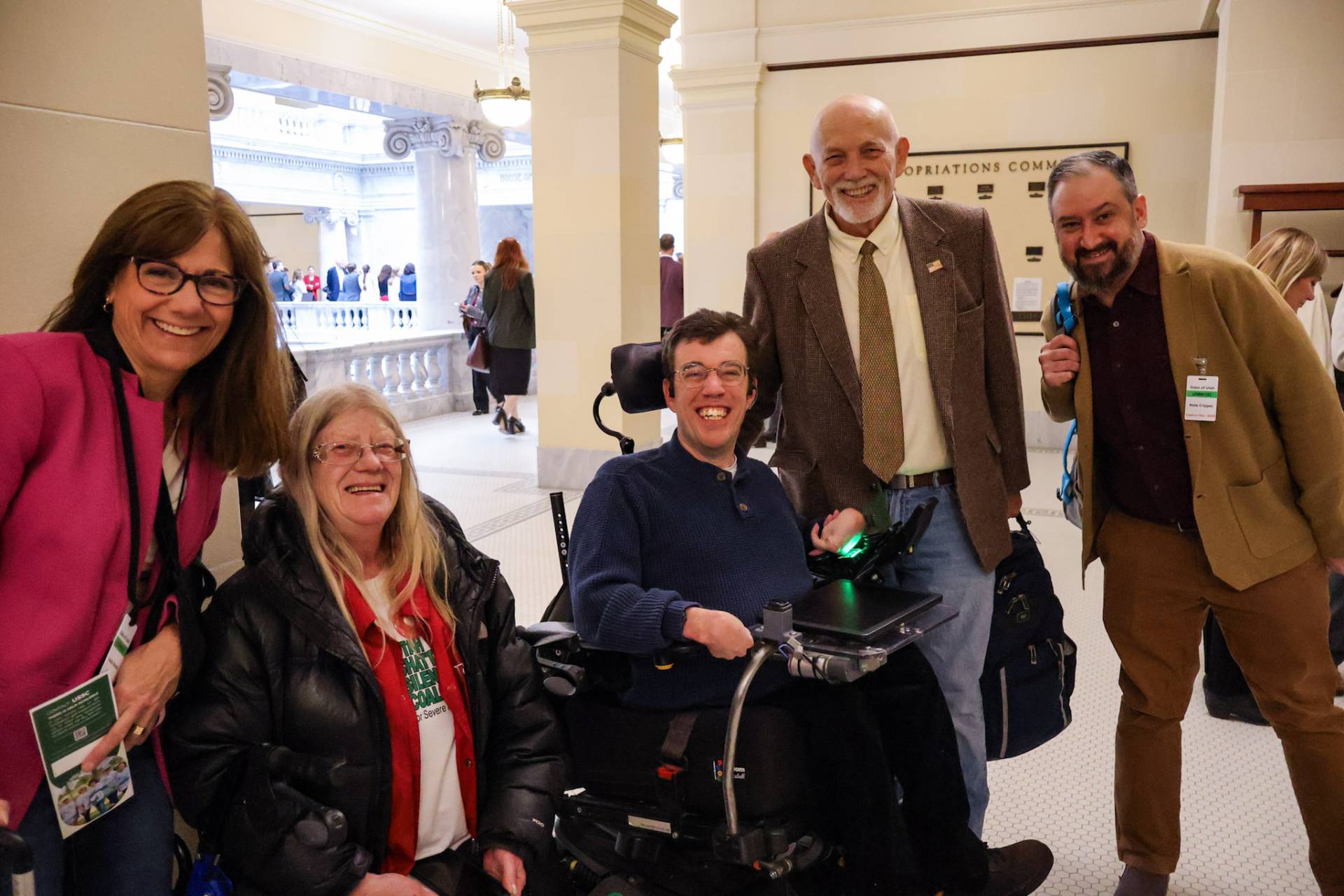
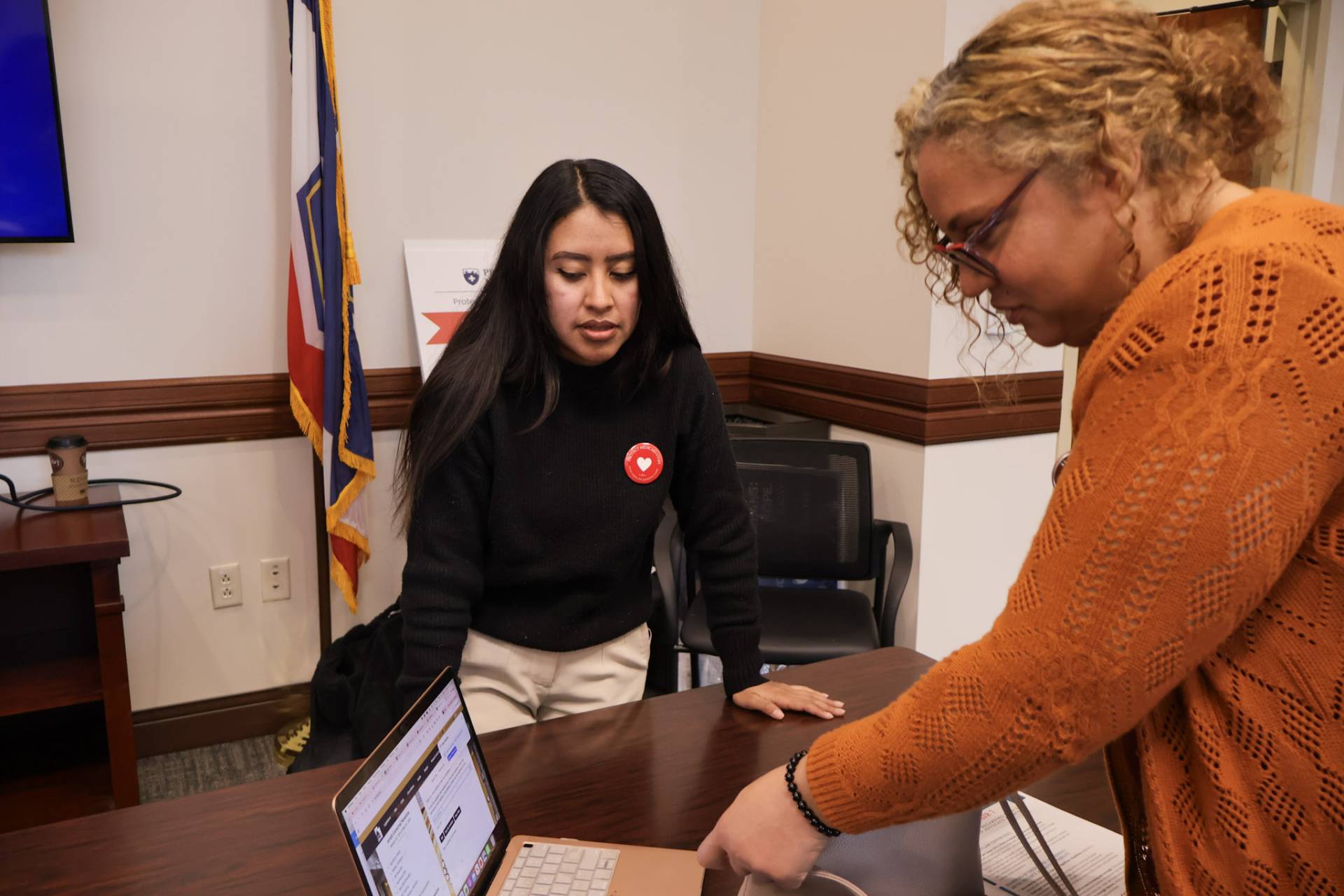
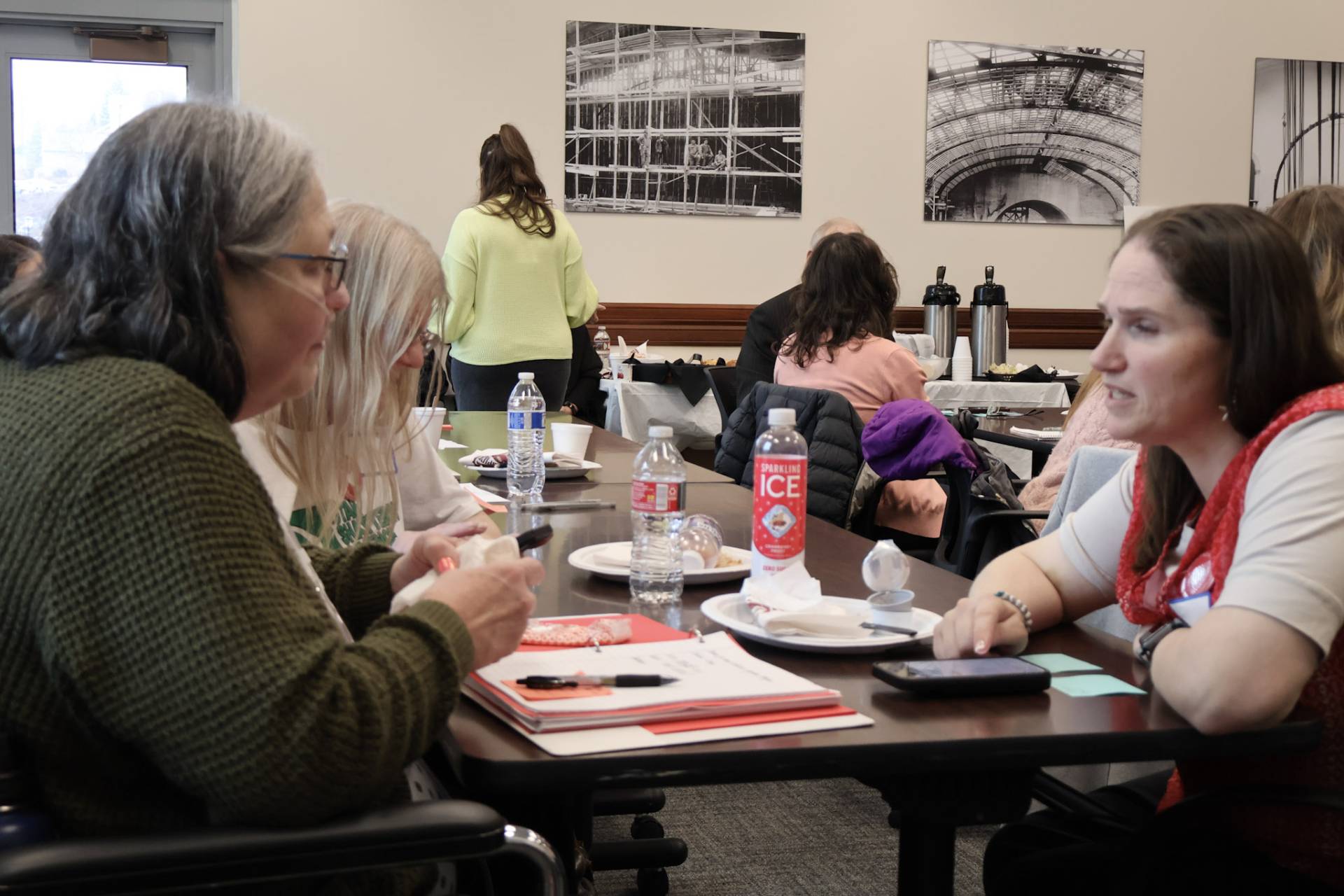
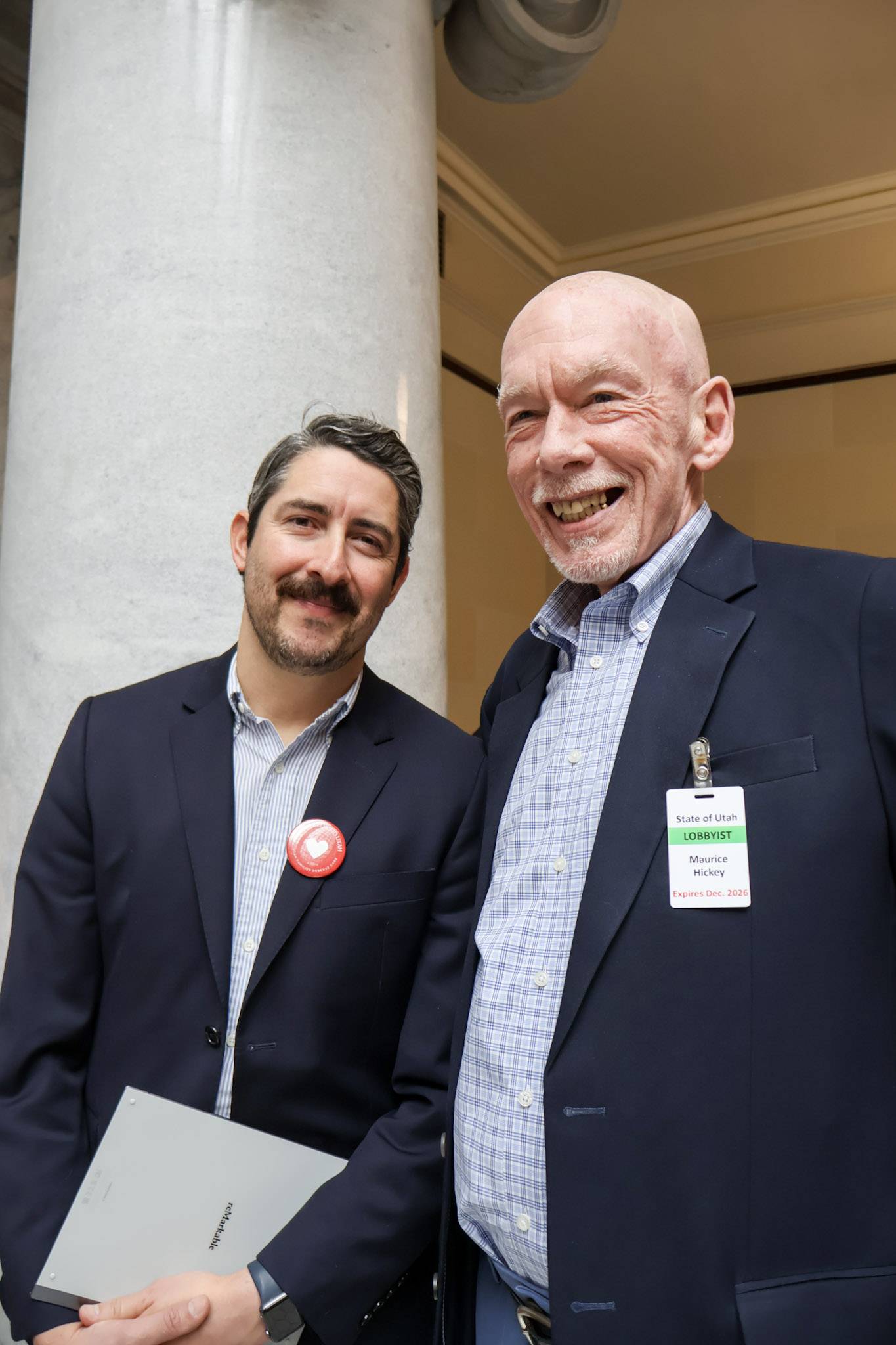
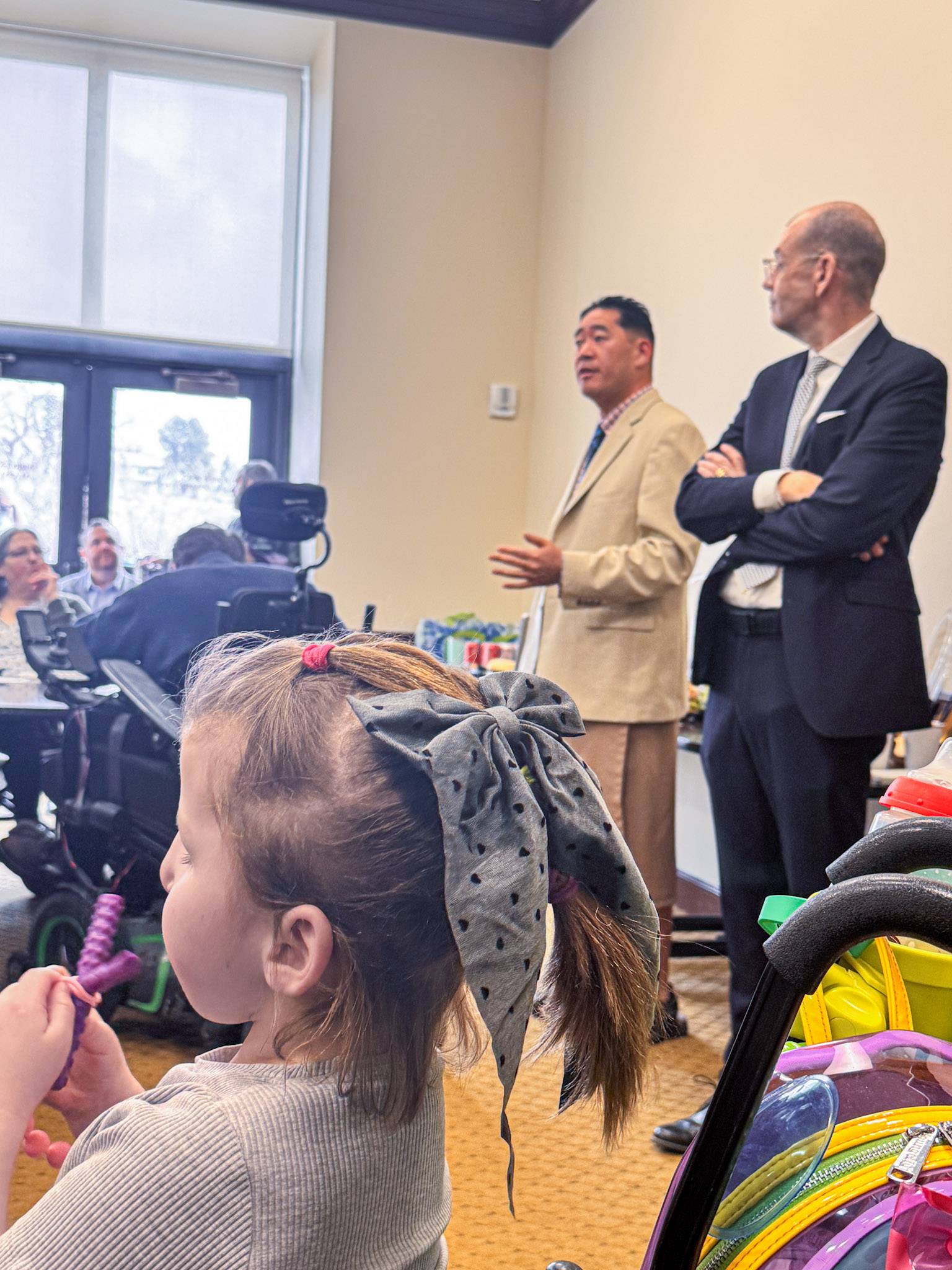
We are so grateful to the Protect Medicaid Utah Coalition and their member organizations for their tireless efforts to fight for a strong system of care for Utah families. Their expertise and leadership were instrumental in guiding these advocacy efforts, uniting consumers and advocates to oppose detrimental legislation through initiatives such as Protect Medicaid Day on the Hill. Thanks also to all of those who supported by signing on to Voices’ action alerts and reaching out directly to your legislators.
Read on to find out more about what passed this year, what didn’t, and where there is more work to do!
Legislative Priority Outcomes
Below are the following outcomes from legislation we were tracking this session.
CHIP and Medicaid-related Bills
HB 15, Medicaid Amendments (Passed)
POSITION: Neutral OUTCOME: Passed
Sponsors: Rep. Eliason & Sen. Grover
This bill amends the Medicaid expansion law to adjust the criteria for terminating the expansion based on a reduction in federal matching funds. The changes include pausing the expansion's termination until after the next legislative session following the termination trigger. The bill also mandates that the Department of Health and Human Services end any state programs, such as the State CHIP program, that would result in a decrease in federal matching funds for Medicaid expansion if the state participates in them. While we firmly believe that the State CHIP program is good policy that supports Utah’s children, we also recognize the potential negative impact of reduced federal funding on all children and families across the state.
HB 88, Public Assistance Amendments (Failed)
POSITION: Opposed OUTCOME: Failed
Sponsor: Rep. Lee (never received a Senate sponsor)
While there were many versions of this bill throughout the session, the expressed intent of this bill would have required state public assistance programs that are currently exempt, such as vaccines, communicable disease testing, crisis counseling, support for victims of domestic violence, housing assistance, and food pantries, to verify lawful presence for all individuals 18 and older. It also included the early sunset of the State CHIP program that would have taken away health insurance for 1,600+ immigrant children across the state. After the most stringent version of this bill seemed to have lost support from the sponsor’s colleagues, a highly stripped down version was briefly added to HB 386, Immigration Amendments, by Rep. Shepherd, but that bill also failed to receive a Senate sponsor and was never heard on the Senate floor. We commend the hard work of advocates from across sectors to create the pressure needed to put a stop to this harmful bill.
SB 285, Uninsured Children’s Dental Amendments (Failed)
POSITION: Support OUTCOME: Failed
Sponsor: Sen. Escamilla
This bill would have created and directed revenue toward an Uninsured Children Dental Care Restricted Account that would go toward the University of Utah School of Dentistry’s Oral Health Assistance Program for dental care for uninsured children in each county. While this bill initially passed out of committee with a unanimous recommendation, we suspect that the fiscal note was a barrier for further movement through the Senate.
SB288, Medicaid Provider Amendments (Passed)
POSITION: Neutral OUTCOME: Passed
Sponsors: Sen. Stratton & Rep. Eliason
This is another bill that is not directly related to children’s health; however, it is relevant in that it was designed to be tied to HB 599, Social Services Funding Amendments, with the intention of using funds pulled from the Medicaid ACA fund as described above, to fund quality incentive payments for Medicaid providers. It will be important to monitor these mechanisms as they are rolled out to ensure that the funds are being used as intended to prop up the systems serving Utah’s most vulnerable populations.
Other Children’s Health and Safety Bills
HB152, Educational Vaccine Exemption Amendments (Failed)
POSITION: Oppose OUTCOME: Failed
Sponsor: Rep. Lee
The bill would have repealed the requirement for parents or guardians to complete a vaccine education module to receive vaccine education as a precondition for exempting their children from immunizations for school. The bill was heard in the House Health and Human Services Committee early in the session and did not receive a favorable recommendation in a 6-6 tie vote. Given the current climate on vaccines, it is likely that we will continue to see these types of bills come up in future sessions.
HB 174, Sex Characteristic Change Treatment Amendments (Passed)
POSITION: Oppose OUTCOME: Passed
Sponsors: Rep. Shipp & Sen. McCay
This bill would effectively make permanent the moratorium on these treatments that was passed in 2023, S.B. 16, Transgender Medical Treatments and Procedures Amendments. It prohibits health care providers from providing cross-sex hormones or puberty lockers to minors who are younger than 16 or a minor patient who has not yet received gender affirming hormone therapy by January 28, 2027. Prior to this date, providers are allowed to provide treatment to a minor already receiving hormone treatment for the purposes of discontinuing said care. This bill echoes a growing trend across states and the federal government to put limits on care for minors seeking gender affirming care, a move that research shows has a negative impact on the health and wellbeing of these individuals.
HB 381, Electric Mobility Device Amendments (Passed)
POSITION: Support OUTCOME: Passed
Sponsors: Rep. Cutler & Sen. Weiler
This bill extended a requirement for individuals under the age of 21 to wear a helmet while operating e-bikes and the like while on public roads. As local healthcare systems see more injuries related to these types of devices, we are in full support of requirements that keep kids safe.
HB 574, Child Car Seat Requirements (Not Heard)
POSITION: Support OUTCOME: No Public Hearing
This bill would have set legal requirements for keeping children in age and weight appropriate car seats and booster seats. Similar to HB 381, the impetus for this bill came from healthcare providers and first responders seeing avoidable injuries to children using improper safety restraints in vehicles. This bill ran out of time at the end of the session, but we hope to work with the bill sponsor and other partners in the interim to reintroduce in a future session.
SB127, Pediatric Care Amendments (Passed)
POSITION: Support OUTCOME: Passed
Sponsors: Sen. Plumb & Rep. Hall
The bill requires hospital emergency departments to establish pediatric care policies, designate a pediatric emergency care coordinator, complete pediatric readiness assessments, and report the results to the Bureau of Emergency Medical Services. It also directs the Bureau to collect this data and adopt rules to improve pediatric emergency department safety. While pediatric-focused facilities are well-prepared to serve children of all ages, rural and smaller hospitals may be less prepared to respond to pediatric emergencies in both training and equipment. This bill easily passed through committee and the House and Senate.
SB170, Vitamin K Amendments (Passed)
POSITION: Support OUTCOME: Passed
Sponsors: Sen. Plumb & Rep. Ward
While early versions of this bill had stronger requirements around the provision of Vitamin K to a newborn infant within 24 hours of birth, later, compromise versions focus more on education of parents about the risk and benefits of Vitamin K administration. The benefits of Vitamin K include reducing the risk of internal bleeding and infant death, while the risks are generally limited to the pain experienced by the infant during vaccination and in some cases in very premature infants. Given the growing number of parents refusing Vitamin K administration at birth, this education is very important to ensure that parents receive the full picture before making these medical decisions for their child.
Week by Week Session Recaps
Here were the week by week updates we provided during the 2026 Legislative Session.
Week 1
In the first week of the Utah legislative session, we only saw a few of the children’s health related bills that we are following moved to committee, all of which were sponsored by Senator Plumb (D), District 9.
SB81, Dyslexia Testing Amendments, which allows for a licensed and qualified mental health therapist to administer a dyslexia assessment and subsequently requires a school district or charter school to take actions, including individualized intervention, if a qualifying dyslexia assessment shows that a student lacks reading competency, shows signs of dyslexia, or is lagging in acquiring a reading skill. This was sent for discussion in the Senate Education Committee to be discussed on January 26th.
SB127, Pediatric Care Amendments, requires hospital emergency departments to create policies directly addressing pediatric care and SB170, Vitamin K Amendments, requires that a healthcare provider and/or unlicensed direct entry midwives administer Vitamin K to a newborn infant within 24 hours after birth, as well as procedures to follow should a parent choose to opt out. Both of which were sent for discussion in the Senate Health and Human Services Committee to be discussed on January 26th.
Week 2
In week 2 of the legislative session, several more children’s health-related bills were assigned to a committee. However, our primary focus has been closely following the Social Services Appropriations Subcommittee, where a number of cuts were proposed that would directly impact Utah’s children and their families. On Friday, many of those items that we were most concerned about, including State CHIP and many supports for children and adults with disabilities, were removed from the recommended cut list. You can find the full updated list of recommendations here.
On Tuesday, H.B. 174, Sex Characteristic Change Treatment Amendments, was heard before the House Health and Human Services Committee, which would make permanent the moratorium on cross-sex hormones and puberty blockers treatments for minors that was passed in 2023. Despite significant presence and comment in opposition to this bill, it received favorable recommendation from the committee and moved on to a second reading. We are in opposition to this bill and the impacts that it will have on the physical and mental health for transgender youth.
Several other bills sponsored by Senator Plumb (D), District 9, including S.B. 81, Dyslexia Testing Amendments, S.B. 104, School Medication Amendments, S.B. 127, Pediatric Care Amendments, SB170, Vitamin K Amendments advanced from their respective committees with affirmative recommendations on January 27th, and are moving on to second readings in the Senate. You can read more about each of these in the Children’s Health Priorities below.
Lastly, HB152, Educational Vaccine Exemption Amendments was heard in the House Health and Human Services Committee late Friday afternoon. The bill’s title was updated from Public Education Immunization Requirement Repeal, which was part of Substitute 1, back to its original title. Only substitute 1 was heard in committee, but did not receive a favorable recommendation, in a 6-6 tie vote. We anticipate that the second substitution of the bill, which has already been published, may be reconsidered as the committee seemed more open to the compromise changes proposed in the new language as well as what was discussed in committee.
Week 3
Week 3 of the legislative session saw little change on the bills that we’ve been tracking, including S.B. 81, Dyslexia Testing Amendments, S.B. 104, School Medication Amendments, S.B. 127, Pediatric Care Amendments, SB170, Vitamin K Amendments, which are all still up for a second reading on the Senate Calendar. Similarly, H.B. 174, Sex Characteristic Change Treatment Amendment, is awaiting a first reading in the Senate.
A new bill, H.B. 471, Social Services Amendments, was released this week, and upon initial reading, causes concern for both immigrant families and children’s health due to the nature of the targeted and dangerous language used within it. While the intent of the bill appears to be a codification of H.R.1, the language goes further to include measures that make reporting work per work requirements more challenging, increase risk for more frequent, out of cycle, Medicaid redeterminations, and require that state departments report applicants who do not qualify for services due to their immigration status to ICE. While these provisions are mainly aimed at adults, we know that when we make it harder for parents to receive services, it is less likely that they will also seek out services for their children. Further, for mixed status households, departments sharing an undocumented parent’s information, even when seeking services for U.S. citizen children, can reduce the number of applicants due to fear.
Week three was also the last full week of Social Services Appropriations meetings before the final vote on Monday, February 9th. Those items that were discussed last week that were removed from the cut list stayed that way; however, a few items of concern remained, including cuts to graduate medical education for family practice residents and $23M in funds for population based mental health funding that is passed to the counties to provide mental health services, among others. We are maintaining our advocacy efforts with the Social Services Appropriations Committee, urging them to recommend against any cuts to social services. This is crucial for safeguarding Utah families as the Committee prepares its final recommendations for the Executive Appropriations Committee.
Week 4
Week 4 of the legislative session officially wrapped up the Social Services Appropriations Committee process. We are happy to report that by Monday morning, the last line items of concern had been removed from the recommendations provided by the committee to Executive Appropriations.
We were also made aware of two bills that we had not previously been following, including H.B. 301, Electric Mobility Device Amendments, which would make it helmet mandatory for any individual under 21 years of age when operating certain types of e-bikes, and H.B. 453, Unspent Funding Amendments, which would provide previously allocated, but unspent, funds to support child care subsidies, para-educator salaries, and funds to the Utah Behavioral Health Commission. At the moment, the latter is not earmarked for children’s mental health related issues, though that seems to be the intent.
S.B. 285, Uninsured Children Dental Care Amendments, was also introduced this week that would create and direct revenue to an Uninsured Children Dental Care Restricted Account that would go toward the University of Utah School of Dentistry’s Oral Health Assistance Program to provide dental care for uninsured children in each county.
Four bills that we are tracking have also been sent to committee and are now on the agenda for next week, including H.B. 453, discussed above, as well as S.B. 81, Dyslexia Testing Amendments, S.B. 127, Pediatric Care Amendments, and H.B. 88, Public Assistance Amendments. Read our blog about why we oppose H.B. 88, here.
Week 5
Even though week 5 of the session was an abbreviated week, it was the first that we have had significant movement on some of the health-related bills that we have been monitoring all session.
On Tuesday morning, S.B. 81, Dyslexia Testing Amendments and S.B. 127, Pediatric Care Amendments were both heard in the House Health and Human Services committee. S.B. 81 received a favorable recommendation and has been placed on the House 3rd reading calendar for Senate Bills. S.B. 127 also received a favorable recommendation, and moved quickly through both chambers and was sent for enrolling.
H.B. 88 was heard in the House Law Enforcement and Criminal Justice committee on Tuesday afternoon. Three new substitutes were introduced in quick succession just before and during the committee meeting. While efforts were made to remove the end of State CHIP from the bill by committee members, language remains in the fifth substitute that specifies, “An agency or political subdivision of the state may not provide a state or local public benefit that is funded by state or local funds, including non-emergency medical health care, local- or state-administered health care or health insurance, housing assistance, food assistance, cash benefits, tuition assistance, or other state or locally funded public assistance programs, to an individual who is not a qualified alien or who is without lawful presence in the United States.” With this language, it is our understanding that State CHIP would still be eliminated. Unfortunately, with this confusion, the bill received a favorable recommendation from the committee and is expected to go before the house for a third reading in week 6.
H.B. 15, Medicaid Amendments, was presented at the House Revenue and Taxation Committee on Wednesday morning. This bill is primarily aimed at the adult Medicaid expansion population; however, there is a provision within it that would end the State CHIP program should it cause a reduction in the FMAP rate that would be avoided should the program be cut. The committee gave the bill a favorable recommendation and will also be heard for a third reading soon in the house.
H.B. 471, Social Services Amendments, was heard on Wednesday afternoon in the House Health and Human Services Committee. A substitute to the bill made it a simple codification of H.R. 1, the One Big Beautiful Bill, rather than taking provisions further. For this reason, we have taken a neutral stance on the bill.
H.B. 453, Unspent Funding Amendments, passed out of the Government Operations Committee on Wednesday morning. While funds are primarily aimed at childcare and education, the portion of funds that would go towards the Behavioral Health commission have not specifically been earmarked for children’s behavioral health initiatives, rather, they would go towards priorities already specified by the commission.
On Thursday, H.B. 174, Sex Characteristic Change Treatment Amendments, was amended by the Senate to add an additional year before medical providers must cease providing gender affirming hormone therapy to minor patients, setting that date to January 28, 2028. It is now on the second reading calendar in the Senate.
S.B. 285, Uninsured Children Dental Care Amendments, was assigned to the Senate Health and Human Services Committee on Friday and is on the agenda for Tuesday, February 24th.
Lastly, H.B. 574, Child Car Seat Requirements, is a new bill that we are following. It received a first reading this week, but is still awaiting a committee assignment. This bill would establish specific requirements for the type of car seat to use based on a child's age and size and would require that children under the age of 13 sit in a rear seat of a motor vehicle.
Week 6
In week six, several bills passed their respective chambers and have been referred to the other chamber for consideration, including H.B. 15, Medicaid Amendments, and H.B. 471, Social Service Amendments.
H.B. 174, Sex Characteristic Change Treatment Amendments, was placed on the house concurrence calendar, after Senator McCay introduced a substitute in the Senate that provides further definition of cross-sex hormone treatment, and specifies that new patients may not receive treatment prior to the January 28, 2027 date when treatment must cease.
S.B. 127, Pediatric Care Amendments, was sent for enrollment after passing both chambers.
H.B. 599, Social Services Funding Amendments, was introduced in the House on Wednesday that would move the administration of CHIP into the Medicaid Program, direct dental services covered under CHIP to the University of Utah Dental Program, and increase the funds appropriated from the tobacco settlement funds to children on Medicaid.
Lastly, the bulk of the week’s efforts were spent focusing on H.B. 88, Public Assistance Amendments, and H.B. 386, Immigration Amendments. On Monday, H.B. 88 was heard in the house, where two amendments were introduced to exempt child nutrition programs and domestic violence services from the services impacted by the bill. The house then moved to circle the bill as members worked to understand the full impact or the services affected. Then, late on Thursday, a new substitute of the bill was made public that stripped the majority of the provisions that most advocacy groups had expressed concerns about, only addressing in state tuition for undocumented students who had attended Utah high schools for at least three years, and some provisions around home loans, and professional licensing. By Friday at lunch, we had not seen any movement on the new substitute, until we were made aware that the language from substitute seven had been added to a second substitute of H.B. 386, Immigration Amendments, which had previously been a rather benign bill repealing the Guest Worker Program and the Utah Pilot Sponsored Resident Immigrant Program Act. This new version passed the house in a 39 to 33 vote.
Week 7
The last week of the session wrapped up on March 6th, and most of the bills that we have been following were in a good space or left some clear next steps for interim.
Of the bills that were at the top of our list for concerning rhetoric and the potential chilling effect for children with mixed-status families seeking social services, H.B. 88, Public Assistance Amendments, and H.B. 386, Immigration Amendments, died without discussion from the Senate.
The following bills that we were following passed, and will be sent to the governor for signature:
- HB 152, Medicaid Amendments - Includes the provision to sunset State CHIP should the federal government require Utah to do so.
- HB 174, Sex Characteristic Change Treatment Amendments - Ends gender affirming hormone therapy to minor patients by January 28, 2027.
- HB 259, Parental Access to Children’s Medical Records Amendments - Requires that parents and guardians should have access to electronic medical records for dependent children under the age of 18.
- HB 381, Electric Mobility Device Amendments - Requires individuals under the age of 21 to wear a helmet while operating electric bikes and the like while on public roads.
- SB 81, Dyslexia Testing Amendments - Allows more practitioners to screen and diagnose dyslexia and requires schools to take certain actions following diagnosis or indication that a student lacks reading competency.
- SB127, Pediatric Care Amendments - Requires hospitals to strengthen their plans and coordination of pediatric medical emergencies.
Other bills that we were following that either ran out of time, or died in the process, but may be able to be worked on during the interim include:
- HB574, Child Car Seat Requirements - Would set legal requirements for keeping children in age and weight appropriate car seats and booster seats. SB170, Vitamin K Amendments - Would require counseling to a mother on the risks and benefits of administering Vitamin K to newborns.
- S285, Uninsured Children Dental Care Amendments - Would create a fund to pay for dental care for children who are uninsured using the University of Utah School of Dentistry’s Oral Health Assistance Program.
In the News
- Disability Law Center says it’s doing its job, but a lawmaker calls it ‘anti-family’ (Utah News Dispatch)
- Demand grows for doulas who can help moms with addiction (Utah News Dispatch)
- Pediatricians say bill denying resources to immigrants without papers would harm their patients (Utah News Dispatch)
- Taking care of Utah’s kids: One lawmaker strives to provide dental care to uninsured children (Deseret)
- Utah lawmakers reject bill banning publicly funded gender-affirming care (Utah News Dispatch)
- Utah lawmakers leave school vaccine exemption requirement in place (KSL)
Other Legislative Recap Updates
- Tax and Budget
- K-12 Education & Child Care
- Child Welfare & Juvenile Justice
- Immigrant Family Policies
Thank you to everyone that joined us at Medicaid Day on the Hill!