A Celebration of Community Support in Spooky Times
Children’s health doesn’t exist solely within the walls of a hospital, clinic, or doctor’s office. Our communities and the systems that serve them influence families’ ability to achieve health and well-being.
In academic settings, we refer to these other factors that influence health as “social drivers of health” or “health-related social needs” but in the real world we know these as things like access to stable housing, safe and supportive communities, healthy foods, quality education, and outlets to join together in fellowship with others - like places of worship or other community gathering spaces [1].
The Safety Net is Healthcare
While most Utah families have access to these resources, certain populations, including immigrant families, rural residents, tribal communities, and families living near or below the federal poverty line-face disproportionately high barriers to accessing them. For these families, government and community organizations exist to provide a patchwork of services that form what we call the social safety net system.
The “system” includes federal programs that we are all familiar with like SNAP, WIC, Medicaid and CHIP, child care subsidy programs, and housing assistance, as well as the network of nonprofit and community-based organizations that pick up where government subsidy leaves off, like food banks, shelters, and even libraries and churches [2].
While this interconnected network of programs and services is incredibly resilient and plays a critical role in supporting families in need, its complexity can make it hard to access the support they need. This is particularly true as the implementation of H.R.1, the One Big Beautiful Bill Act, has put up new barriers for some, including immigrant families and parents of who recently lost their exemption from work requirements.
Protect Medicaid Utah Hosts Provo Trick-or-Treat Resource Fair
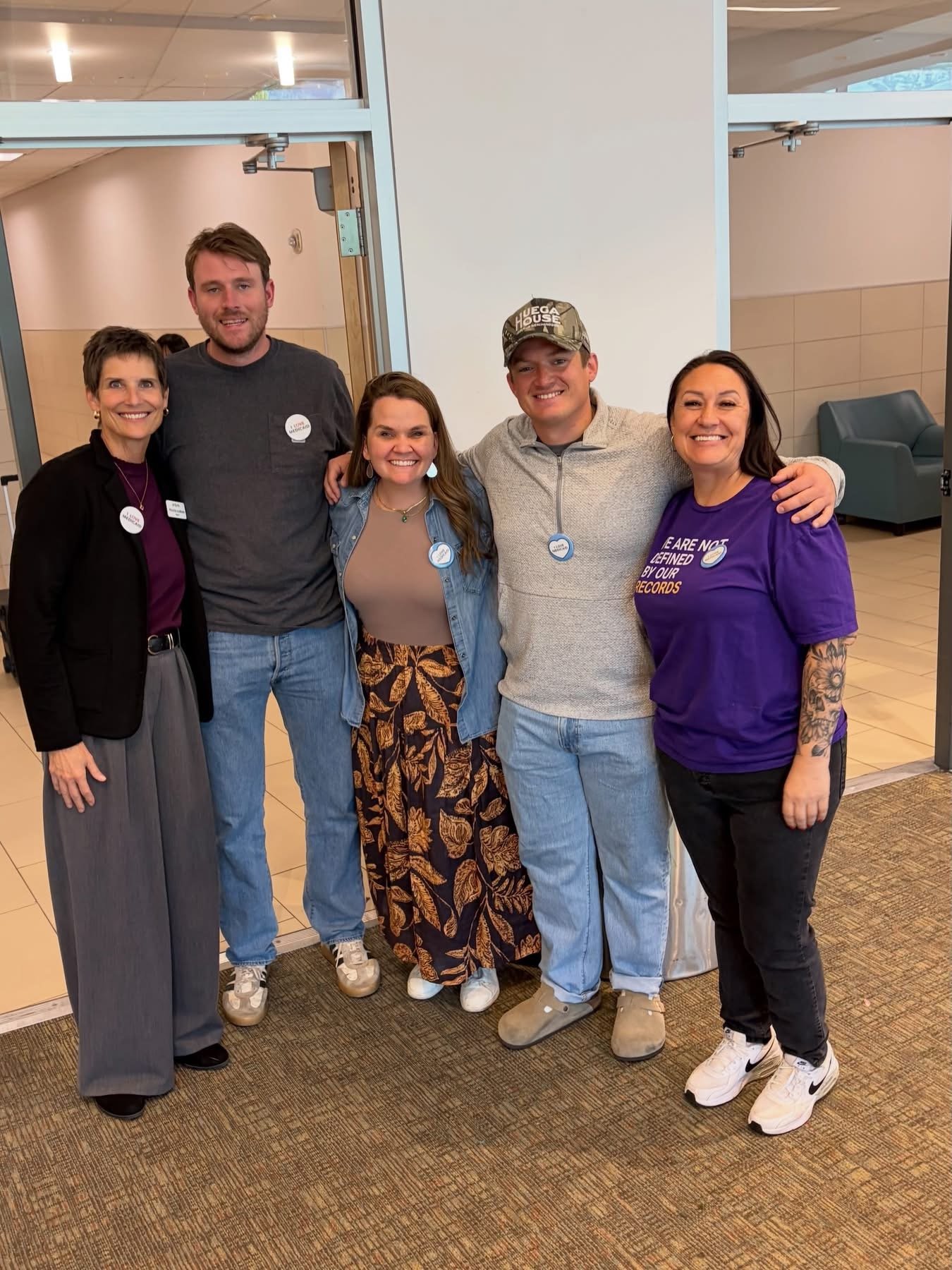
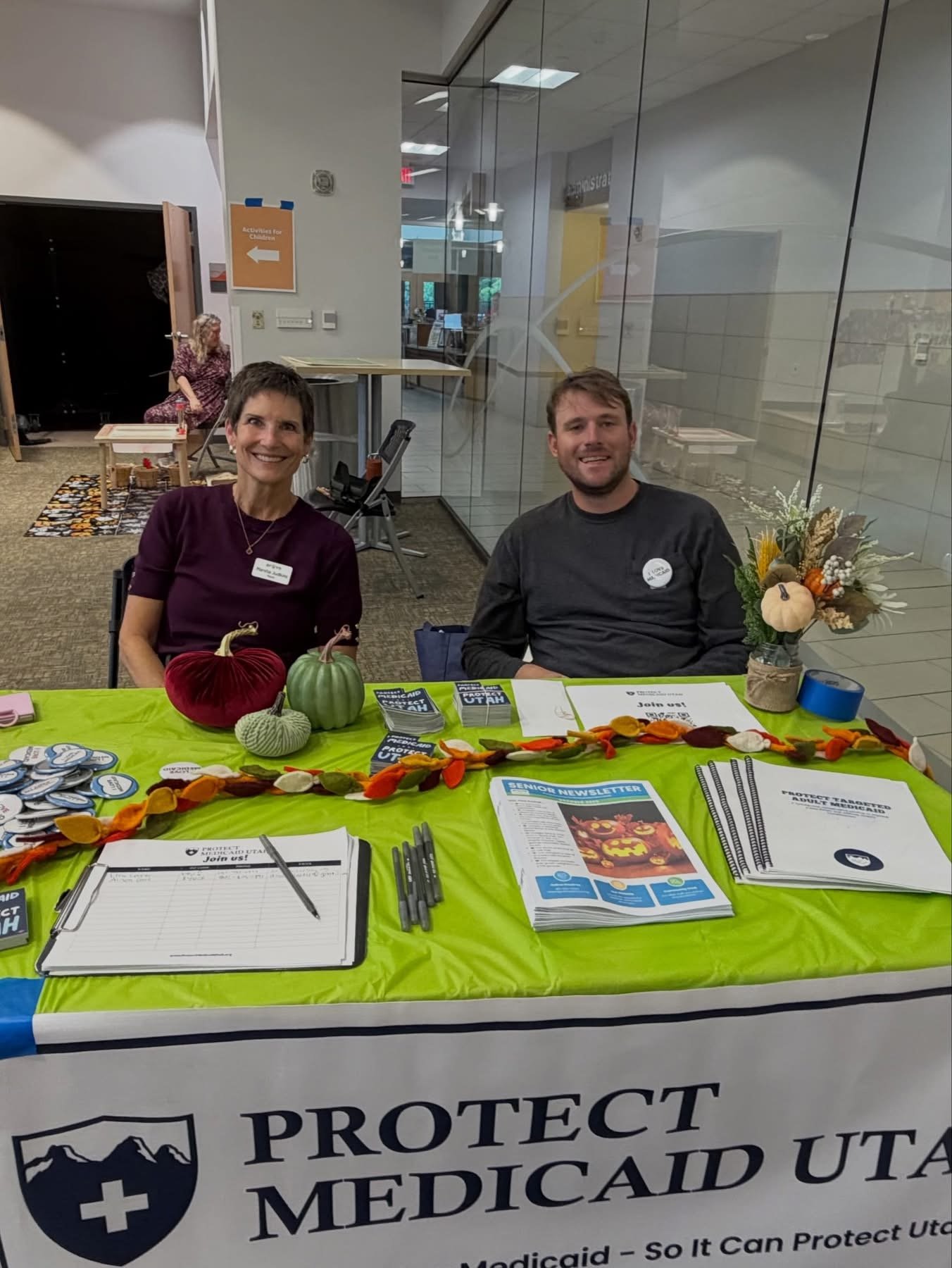
In response to this need, we supported the Protect Medicaid Utah Coalition, in partnership with the City of Provo, to hold a resource fair at the Provo Recreation Center on October 10, 2026. While many people think of Provo as a relatively affluent university community, the city is also home to families facing a wide range of challenges, from growing homelessness and housing affordability issues, to navigating new communities.
For young immigrant families, including those who came for school and those who came for work, connecting with local resources and support services can be especially important.
Under the leadership of Mayor Marsha Judkins, the City of Provo recognizes its responsibility to be responsive to the needs of all residents, even for those who may not have a voice at the ballot box. After hearing from community members about the challenges of navigating services spread across multiple organizations, Mayor Judkins spearheaded an effort to bring those resources to one central location. By leveraging city resources and partnerships with community organizations, Provo was able to turn that vision into a resource fair connecting families and other community members with the support they need.
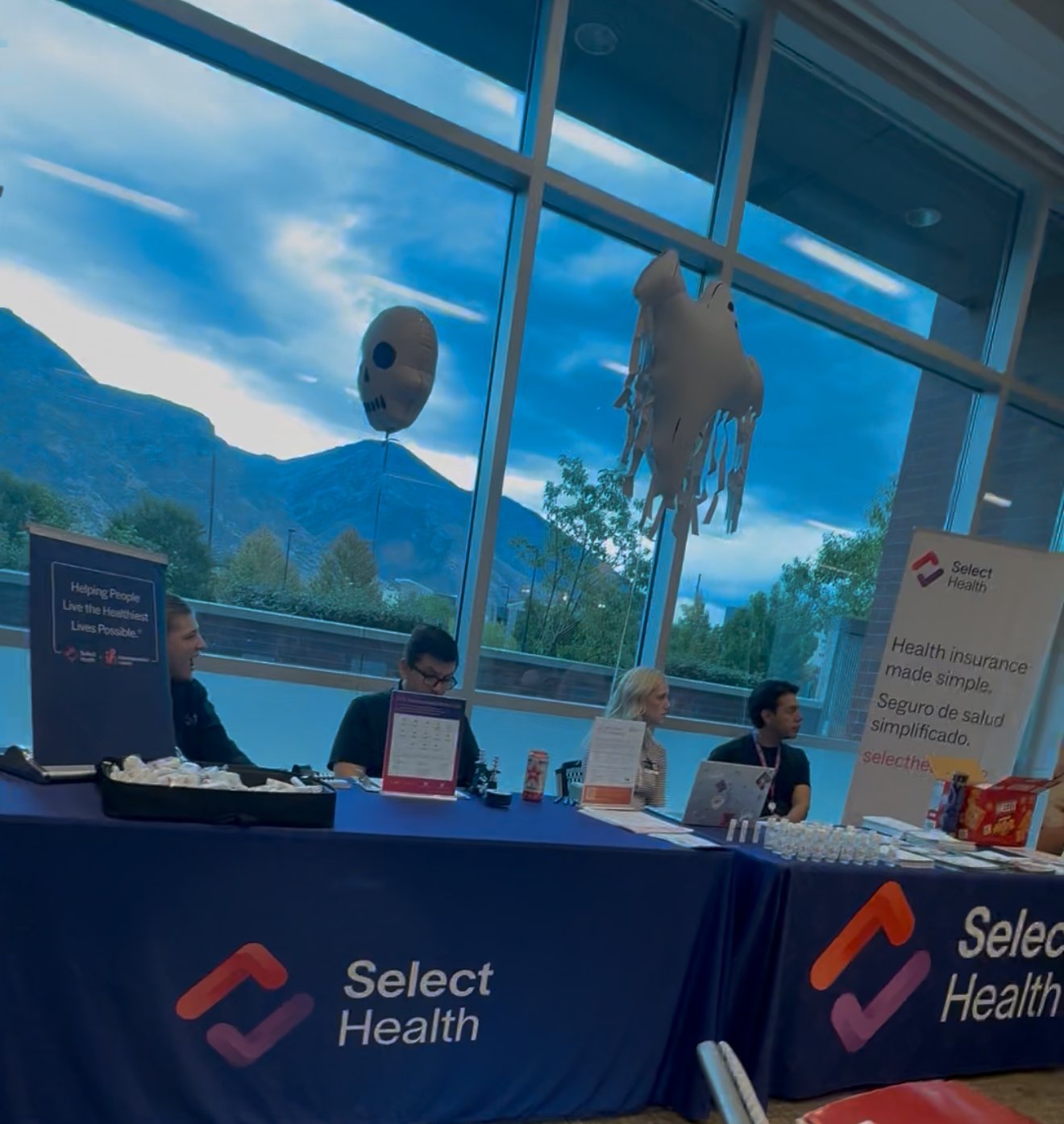
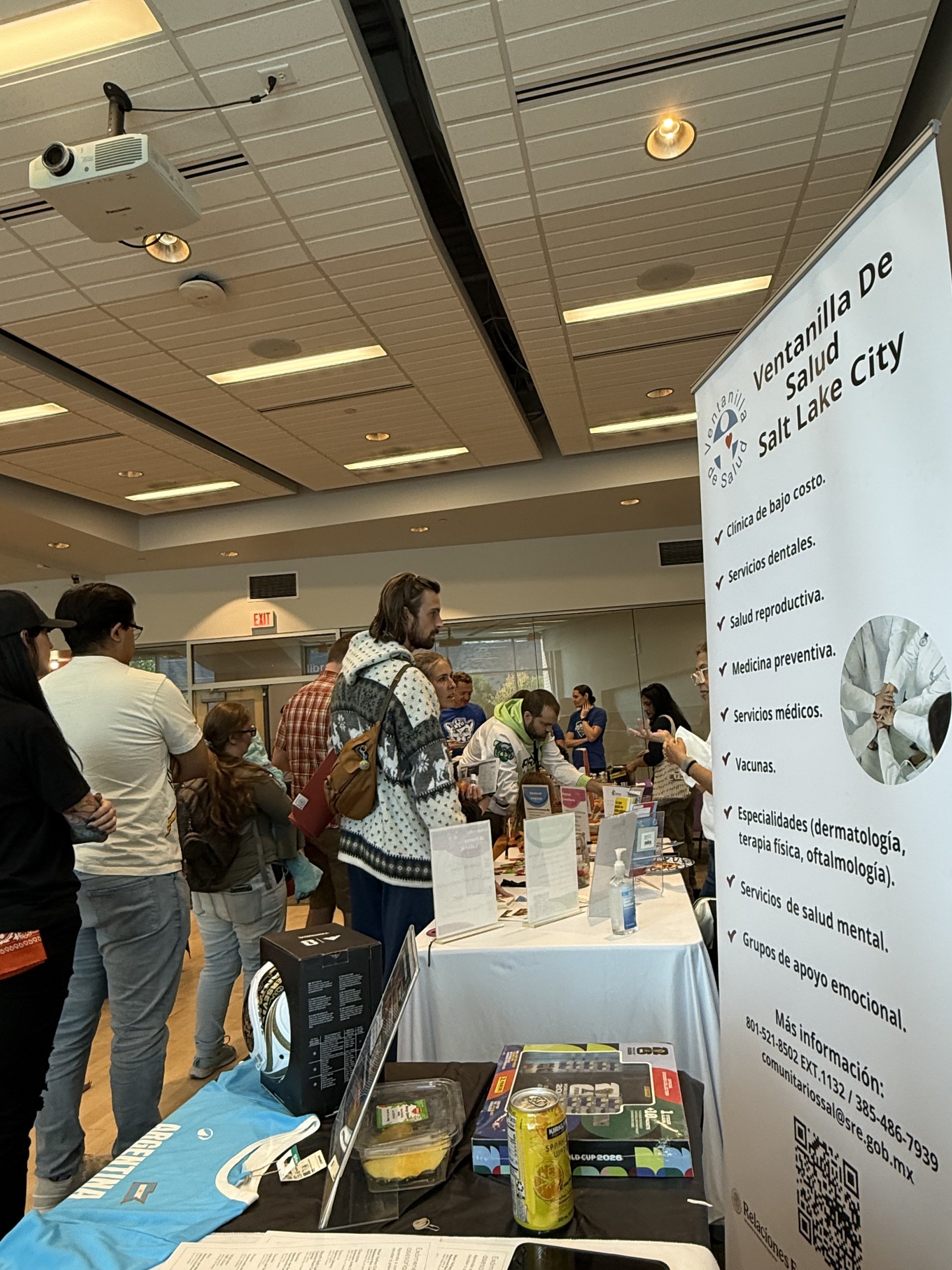
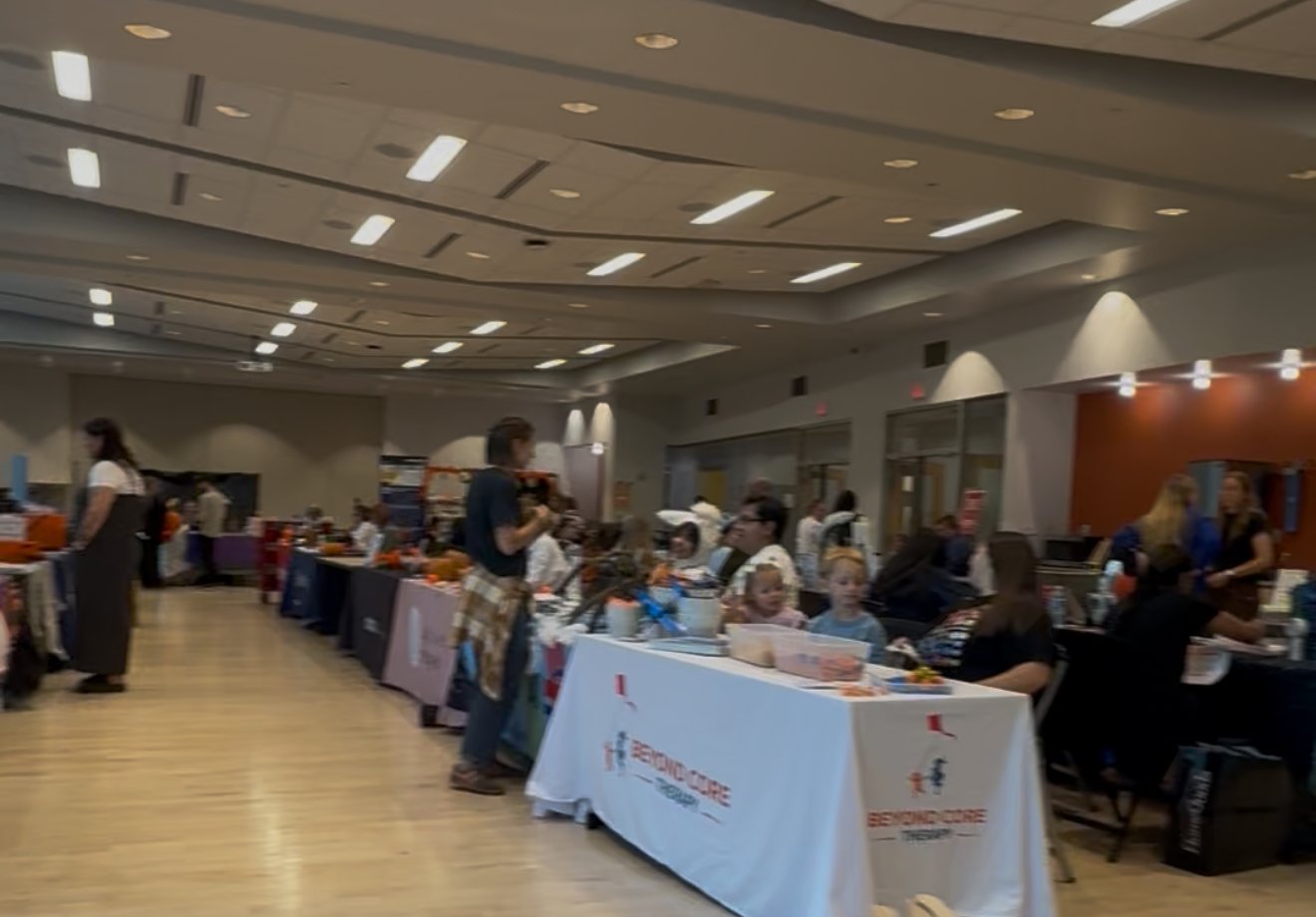
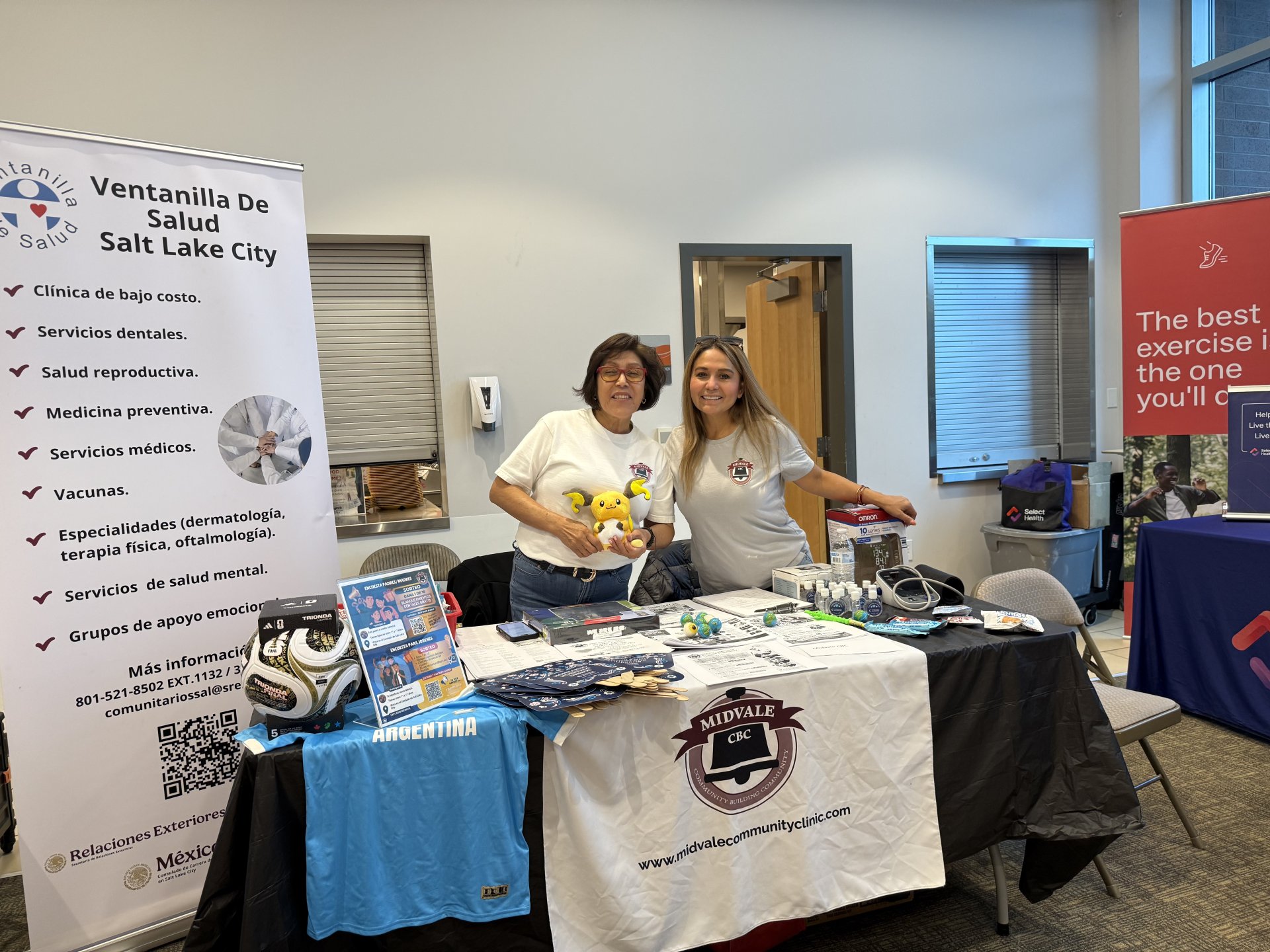
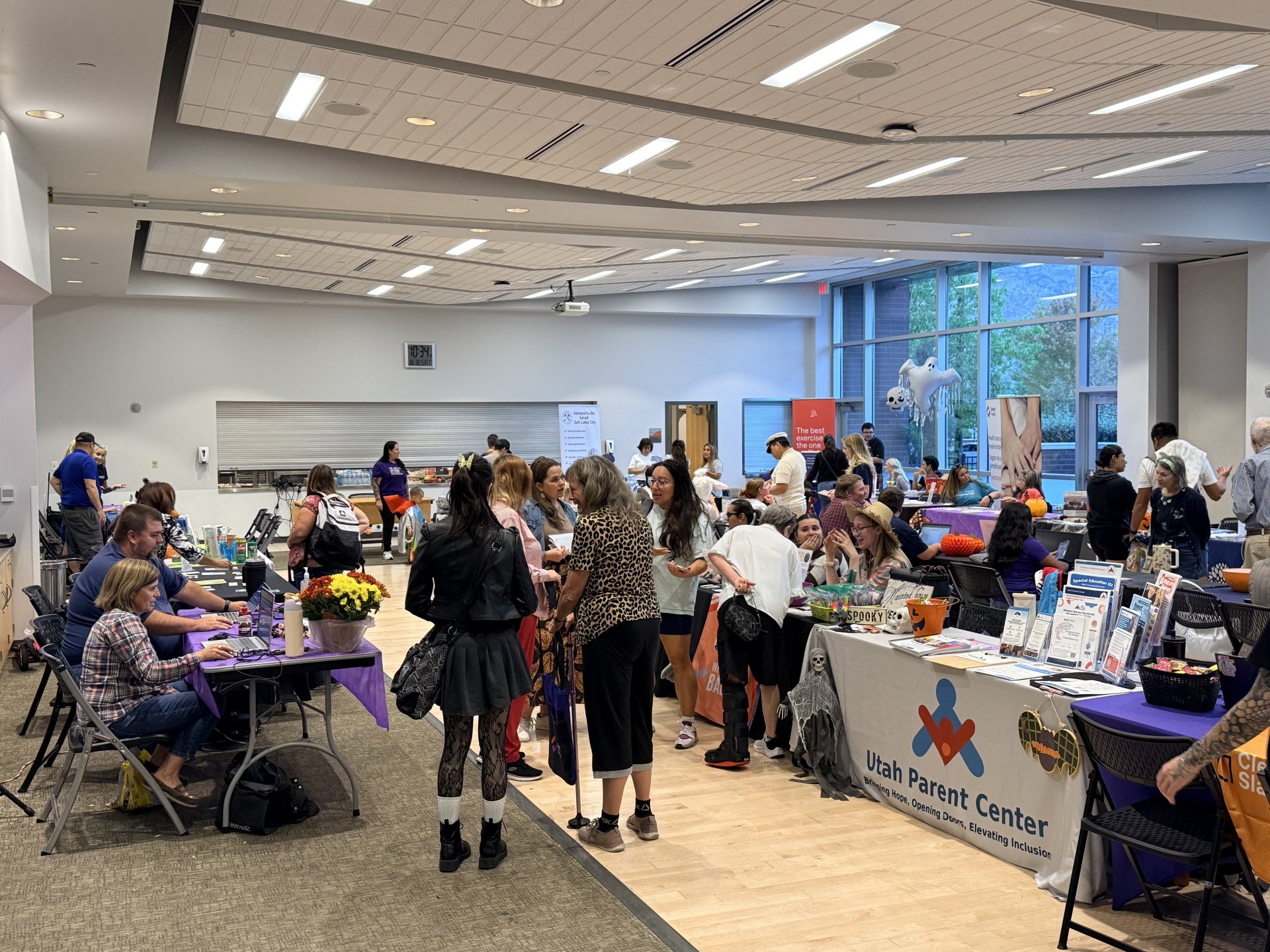
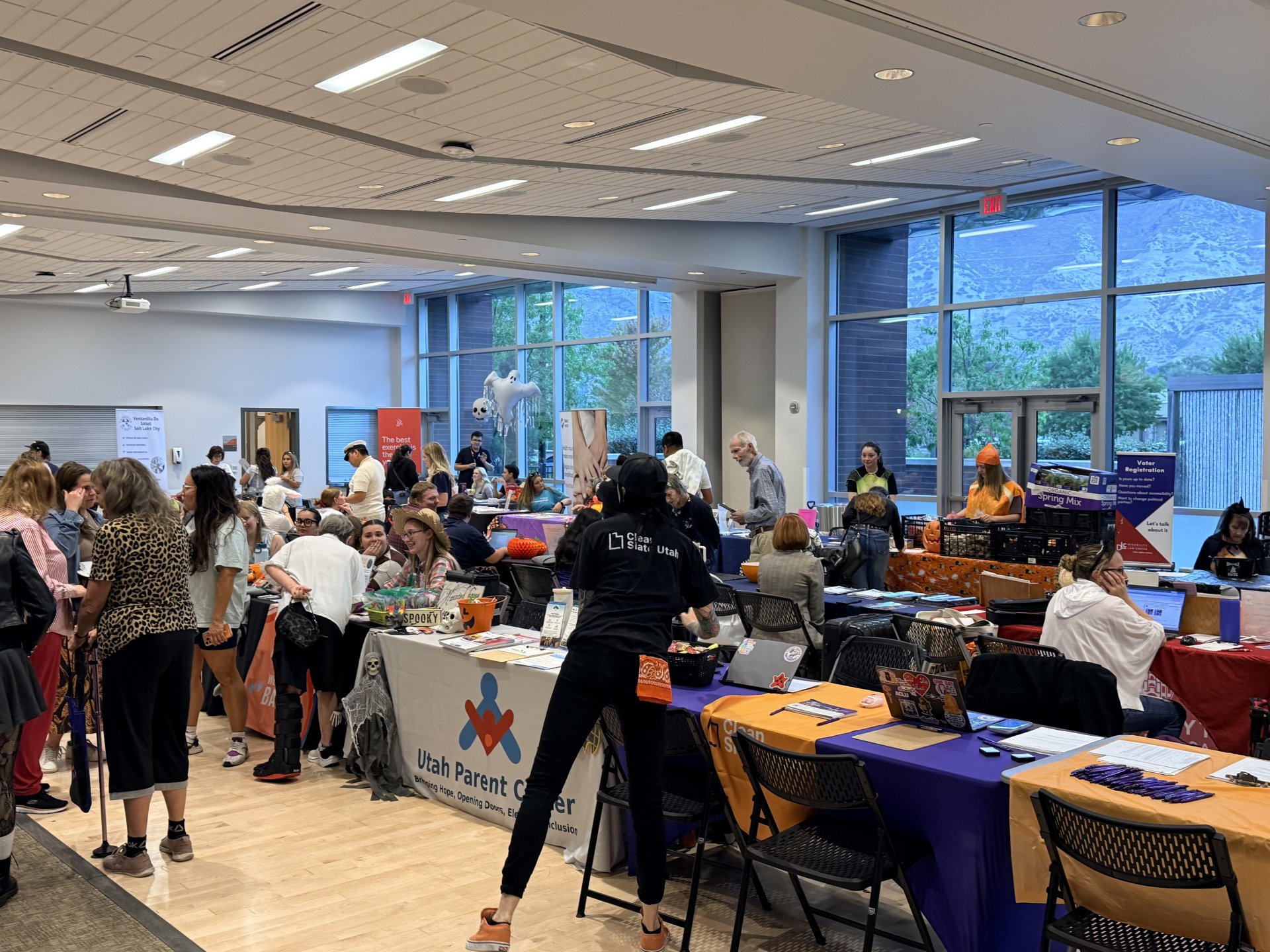
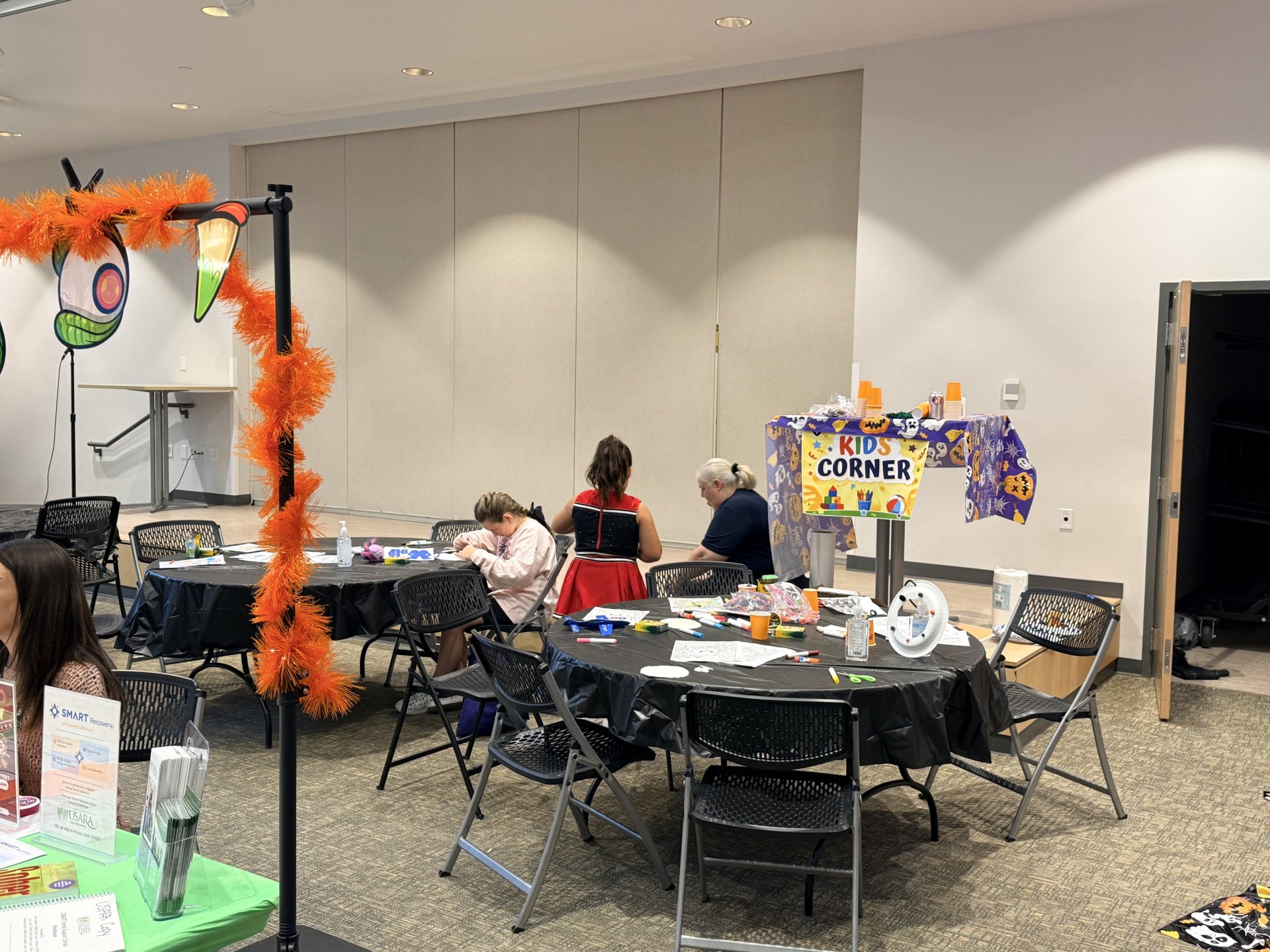
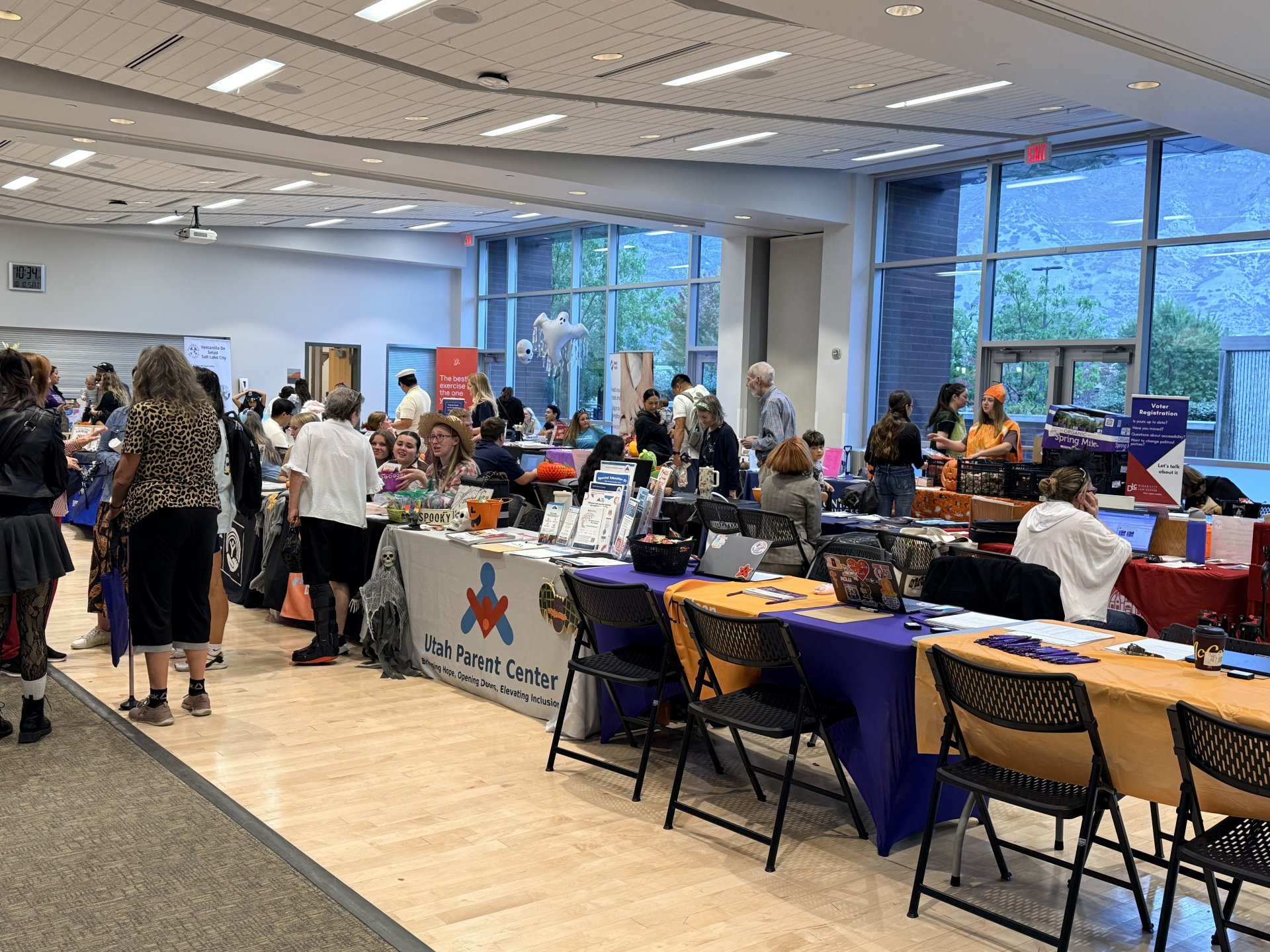
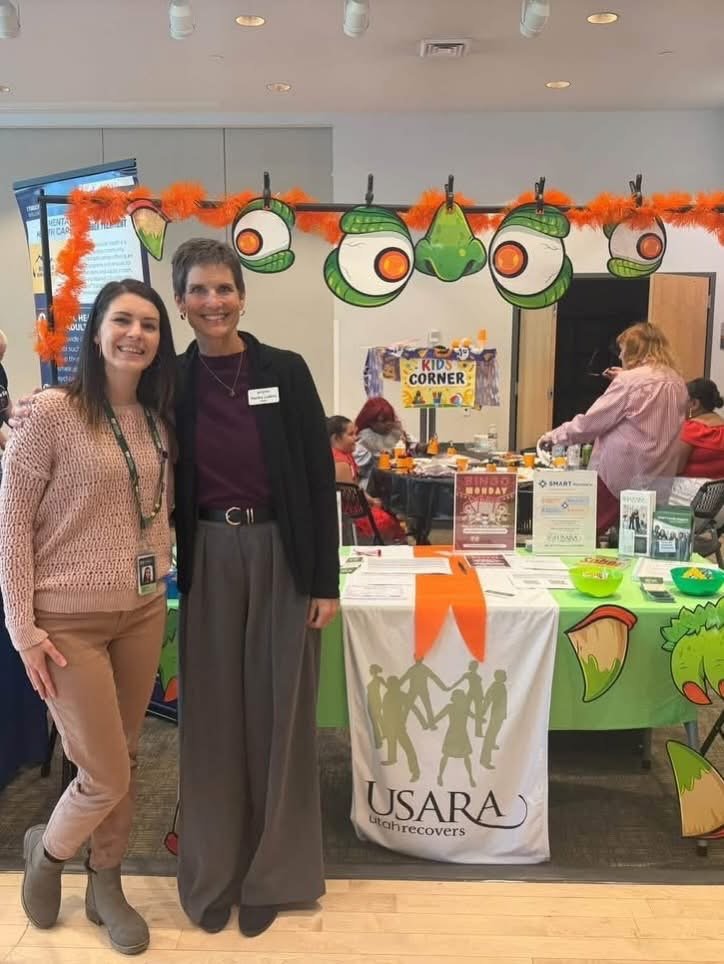
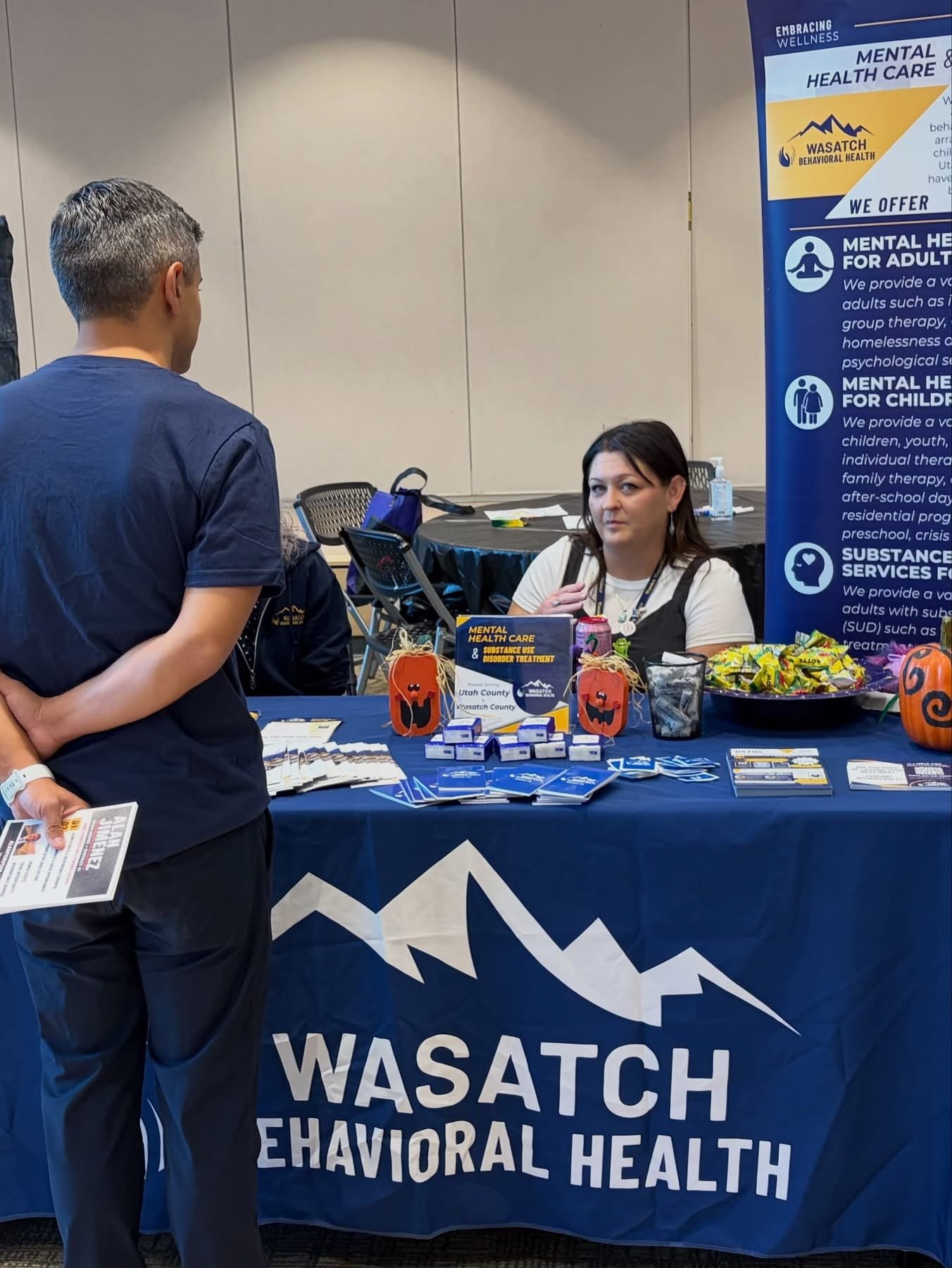
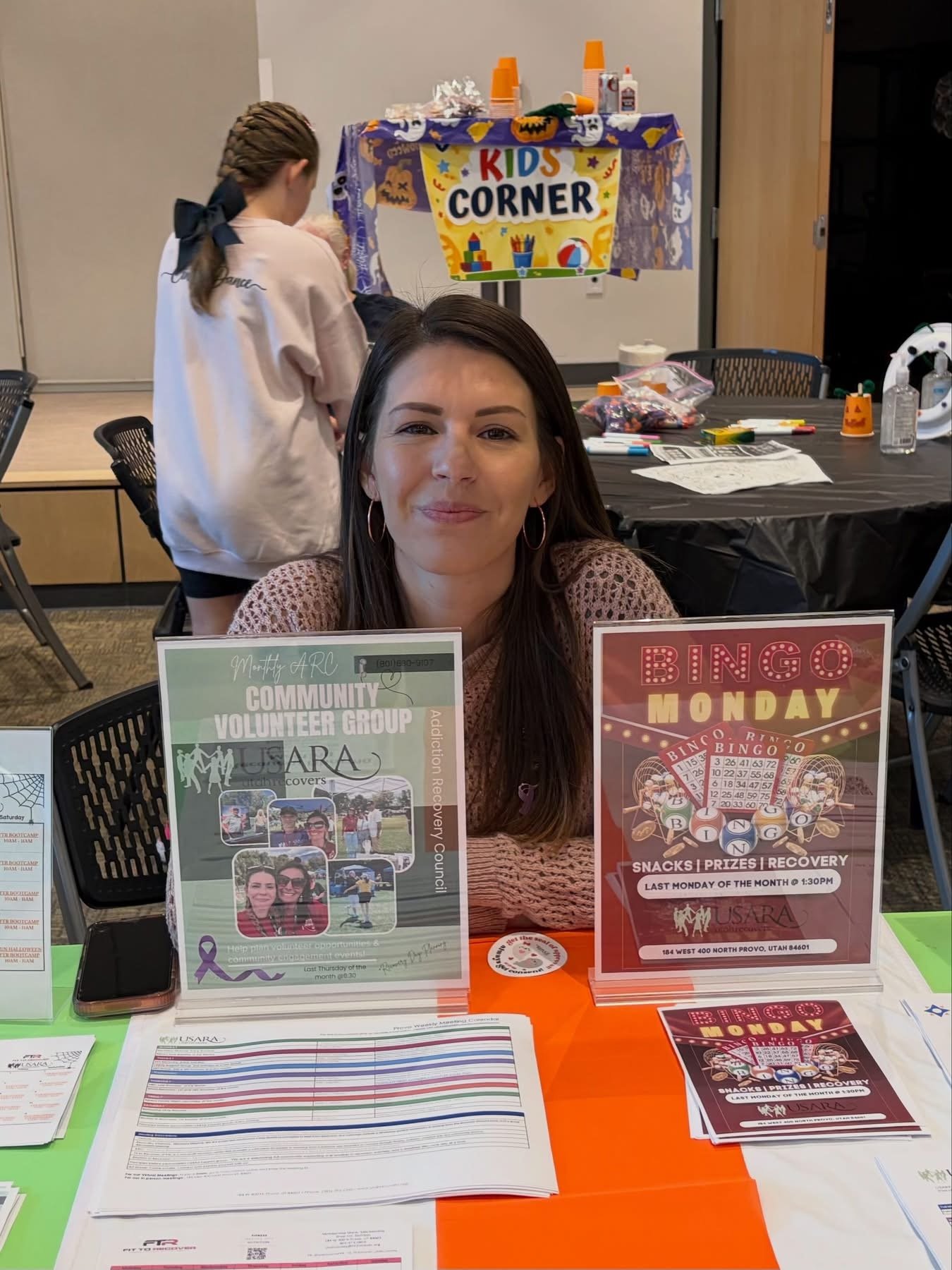
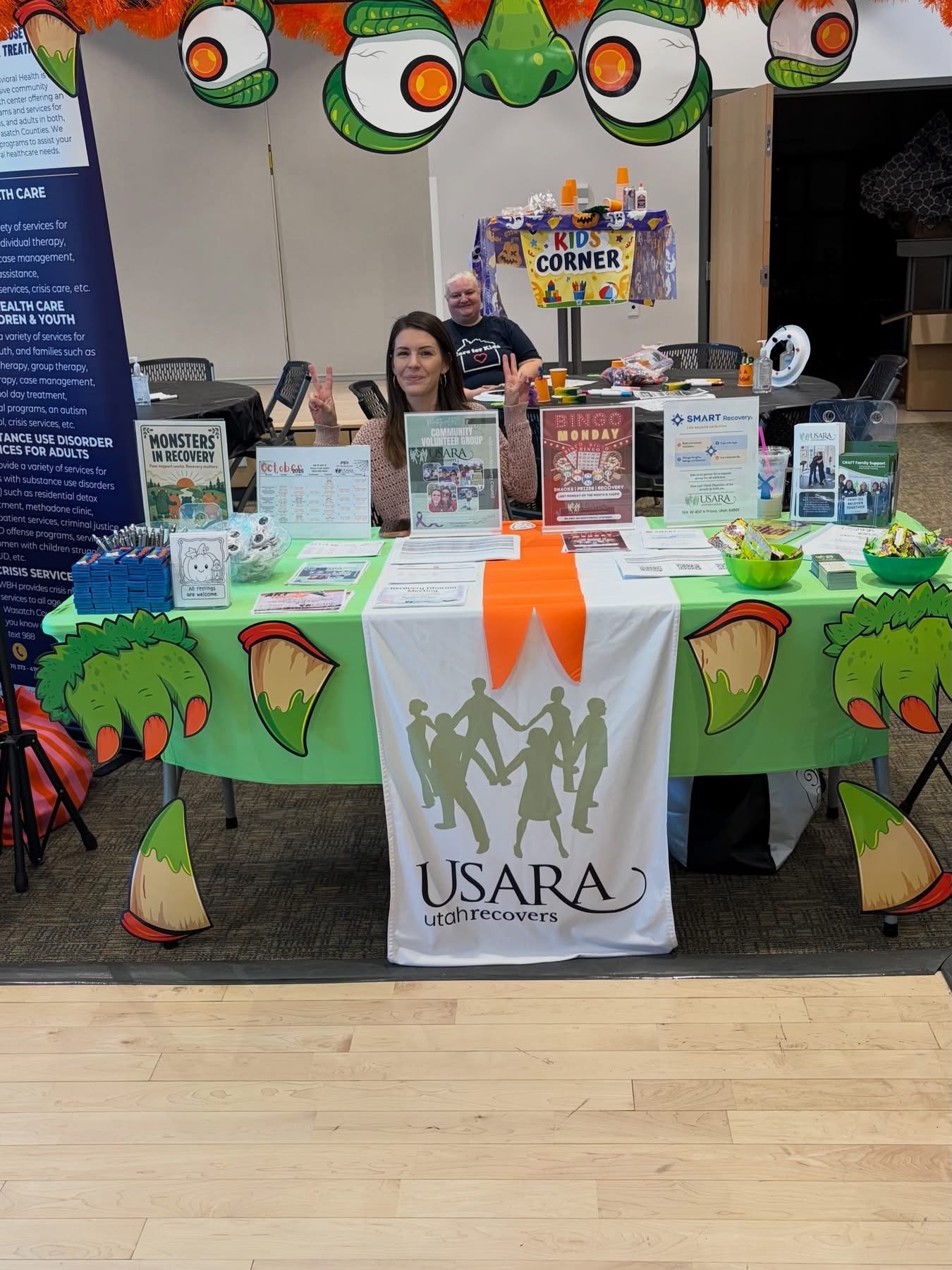
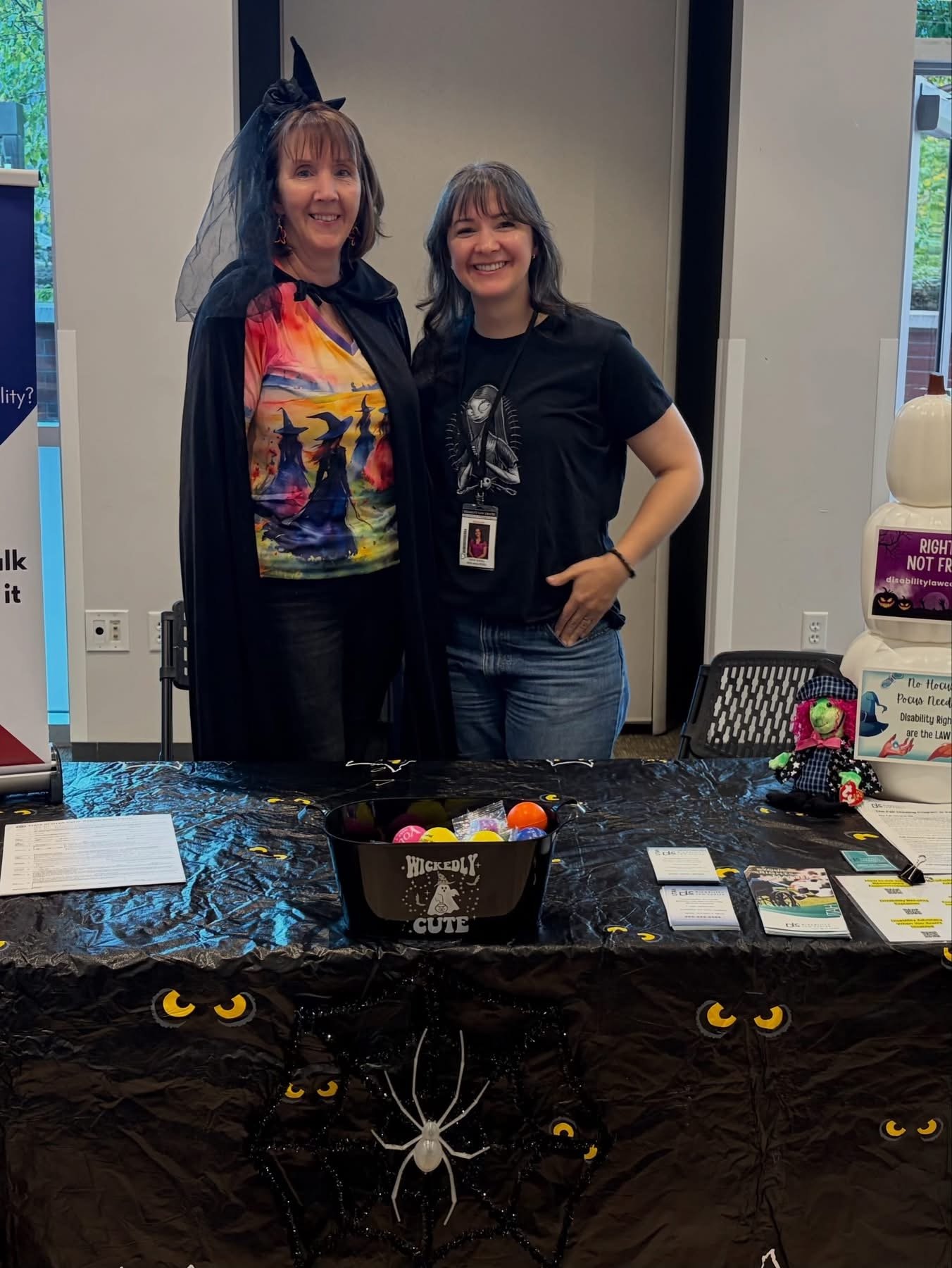
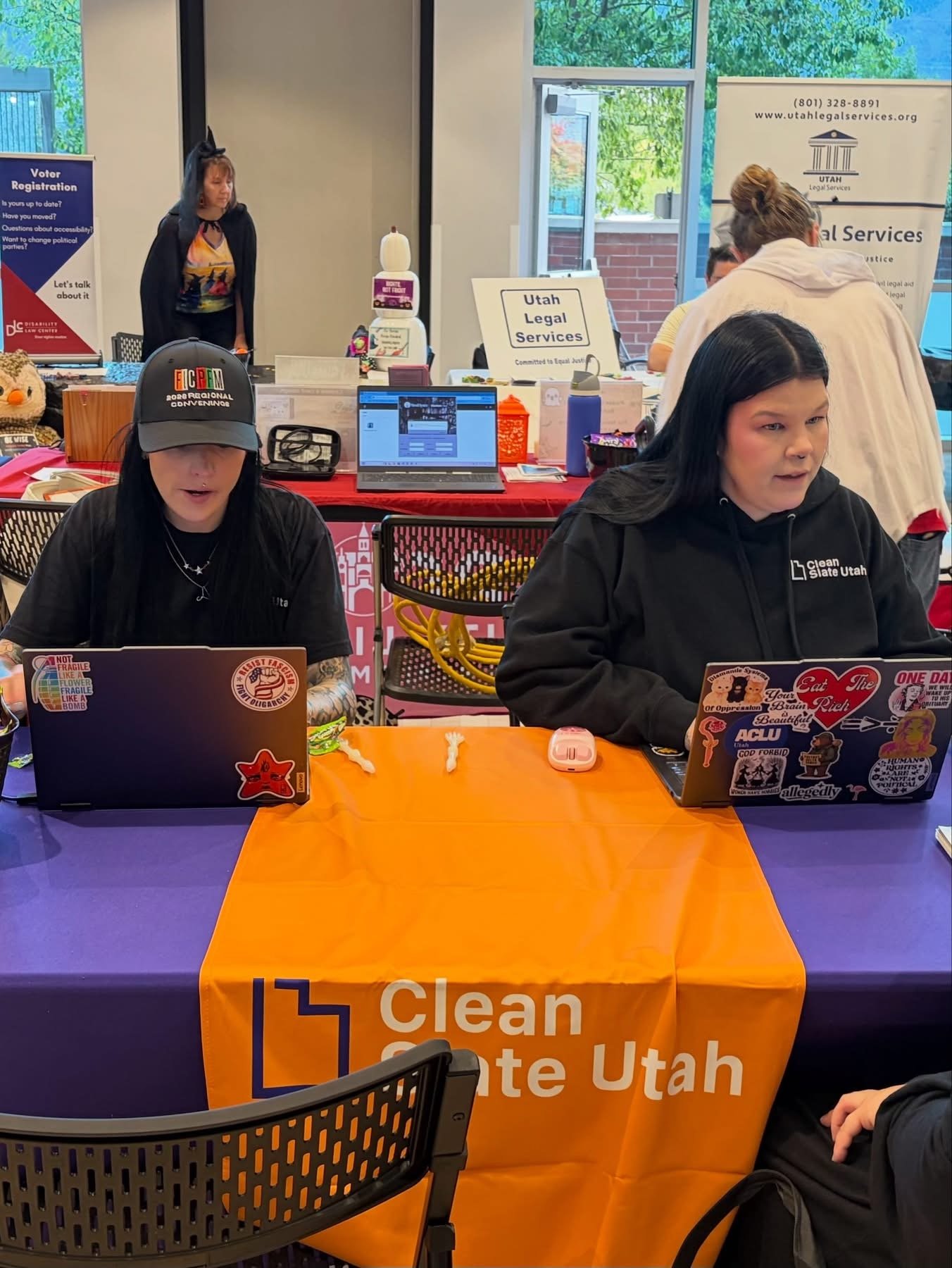
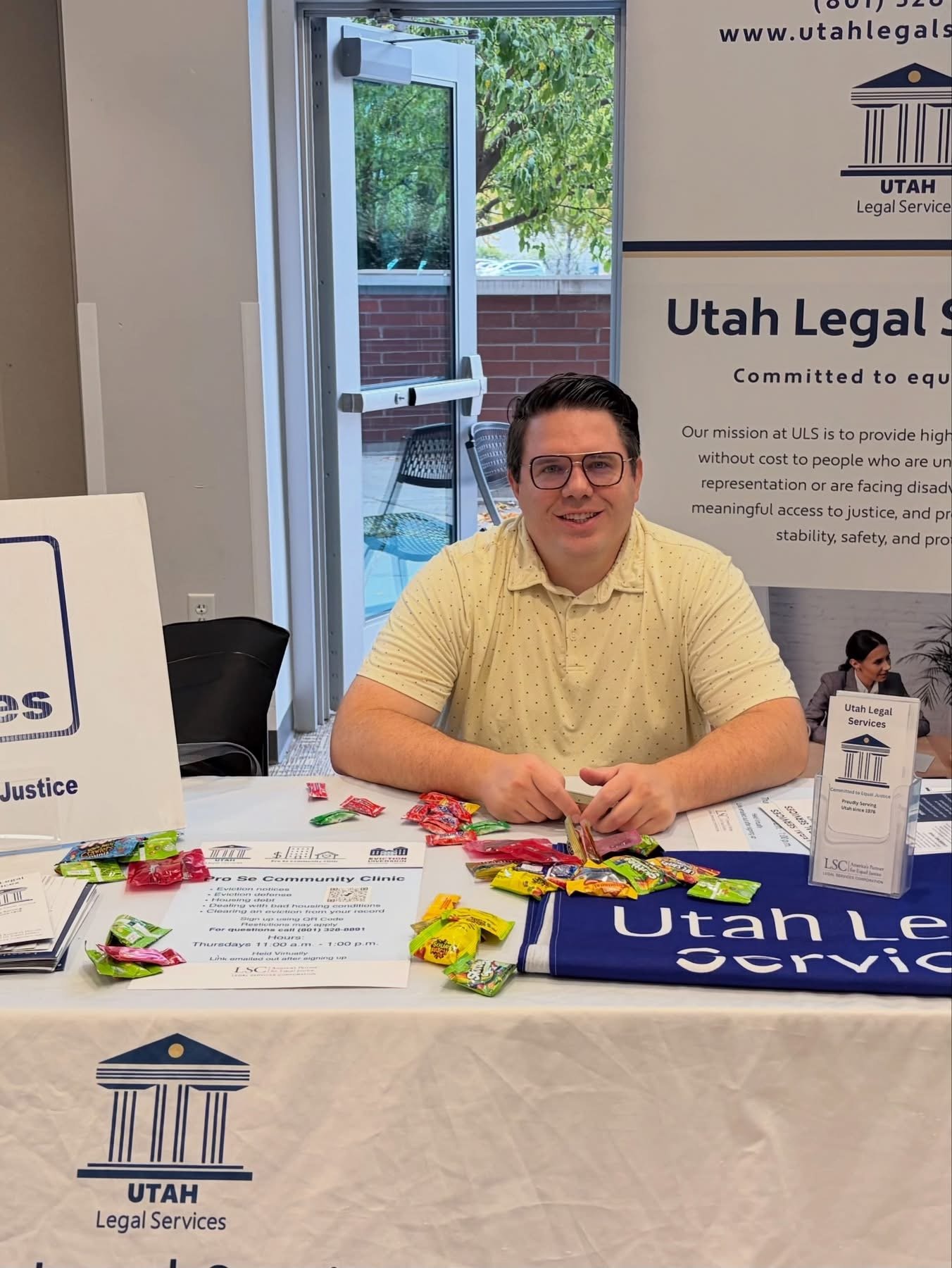
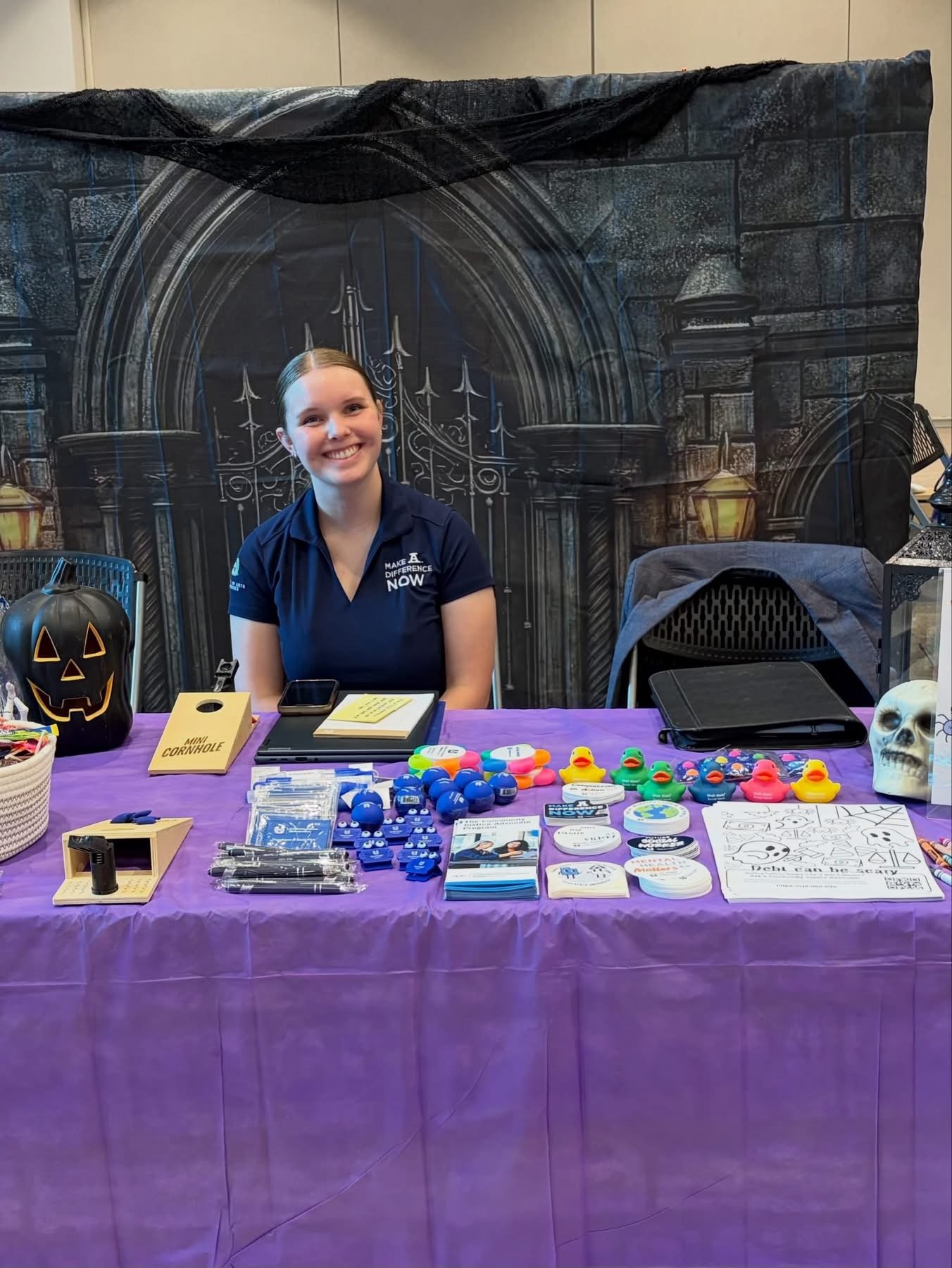
More than 30 organizations came and decked out their tables in spooky gear for families coming to gather treats and resources. The event brought together a wide range of service providers representing nearly every aspect of the social safety net, from education and literacy to healthcare, legal assistance, food access, and family support services.
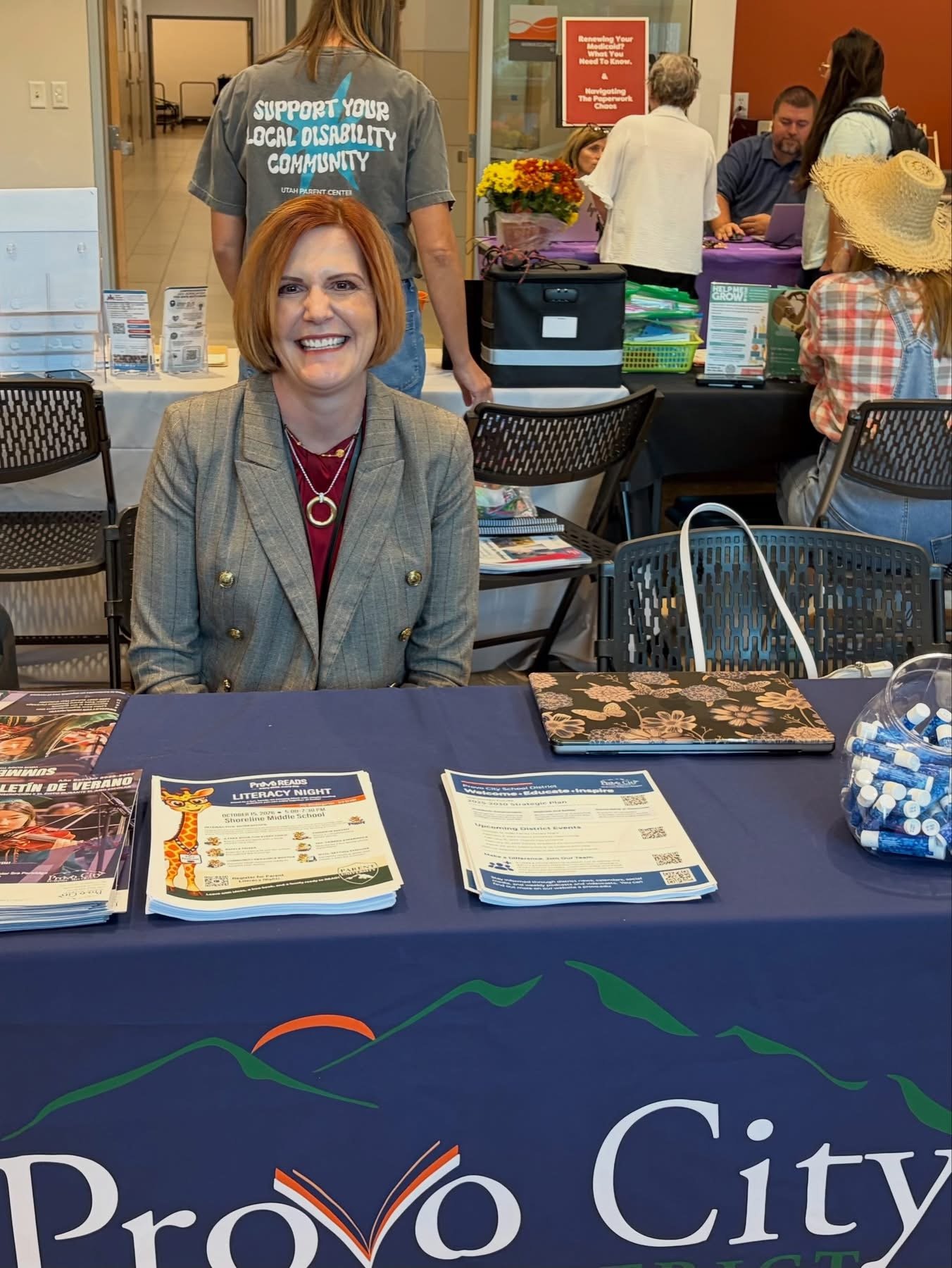
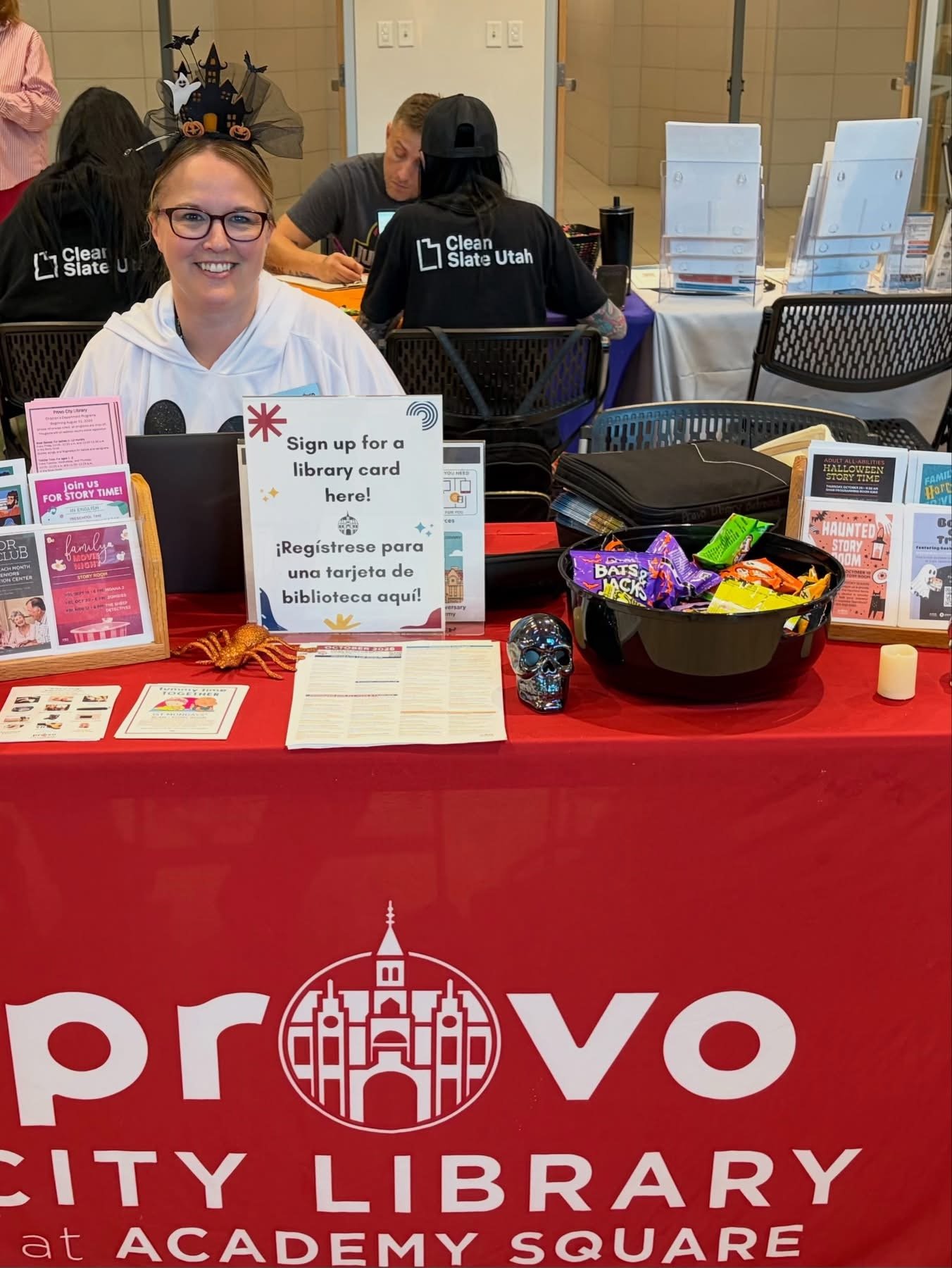
Organizations like the Provo School District, represented by Superintendent Wendy Dau, and Provo Library joined healthcare and benefits enrollment partners, including Take Care Utah, the Department of Workforce Services, and Select Health, alongside legal service providers and organizations focused on supporting children and families. Together, these organizations offered families and other attendees resources, guidance, and support across a broad spectrum of needs.
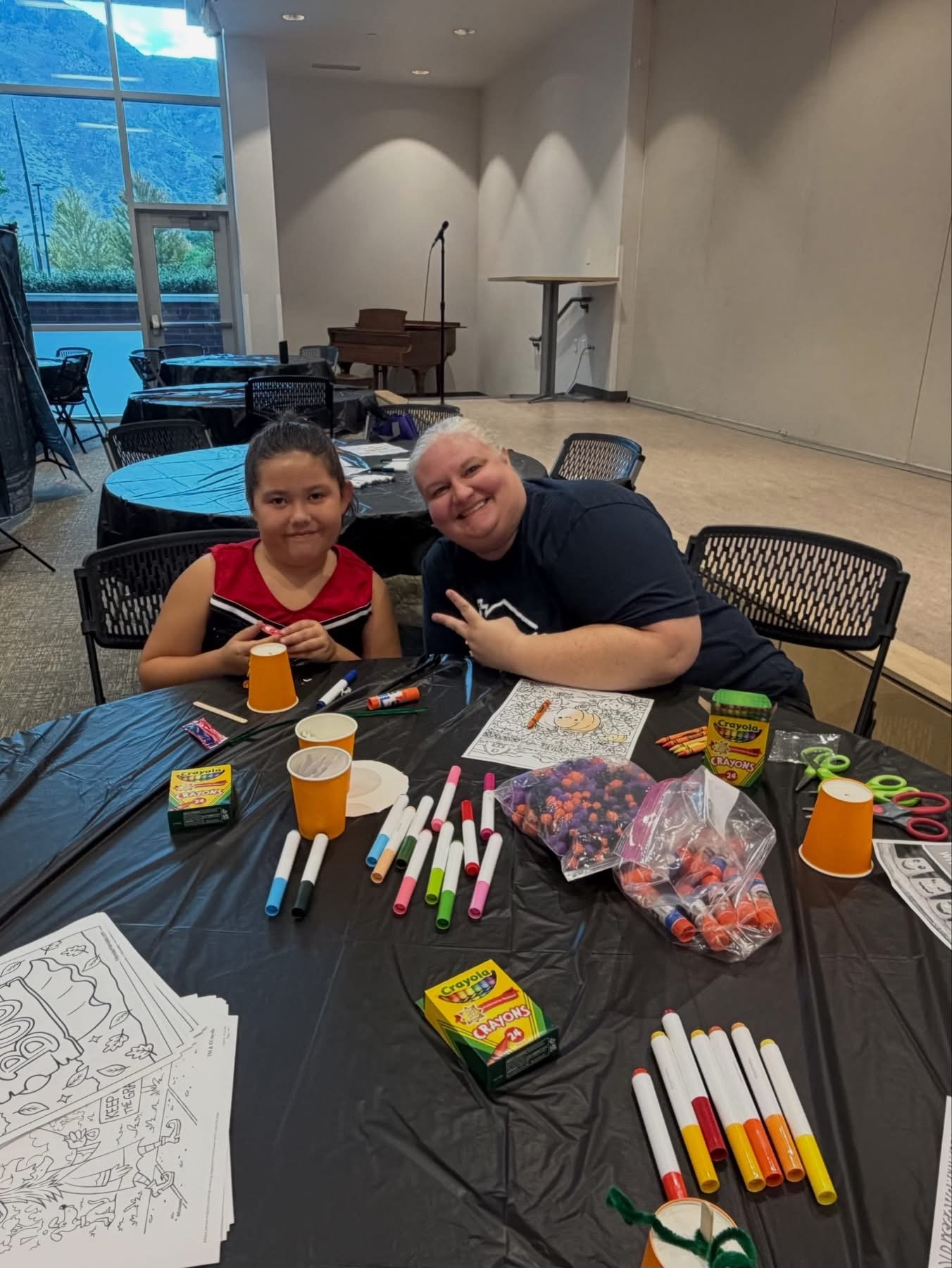
For the families who attended, the event offered an opportunity to connect with needed resources while reducing the stigma associated with seeking them out by framing the event as a fun opportunity for kids to come dressed in costume and trick-or-treat with service providers -- candy, but not dental cleanings, included. When organizing the event, we weren’t quite sure how to anticipate what the need would be and how many people to plan for. In the end, more than double the number of anticipated attendees, more than 200 adults and children, came to the event. Some who came to speak with just one of the organizations came away connected with six other services that they hadn’t realized would be able to offer them support.
Growing Needs in Tough Times
This event was only the tip of the iceberg of the need that we anticipate families will have in the coming years. October 10th came only ten days after the first of major healthcare changes removed access to Medicaid for many immigrant and refugee families, and nearly a year after new community engagement requirements changed how people can access food assistance through SNAP.
In January 2027, Medicaid community engagement requirements will also go into effect. While targeted at able-bodied adults without children, or parents with children 14 and older, we are already beginning to see a decline in child Medicaid and CHIP enrollment. As advocates and service providers, it is important that we monitor these trends closely and convey this to policymakers who can act to protect their most vulnerable constituents.
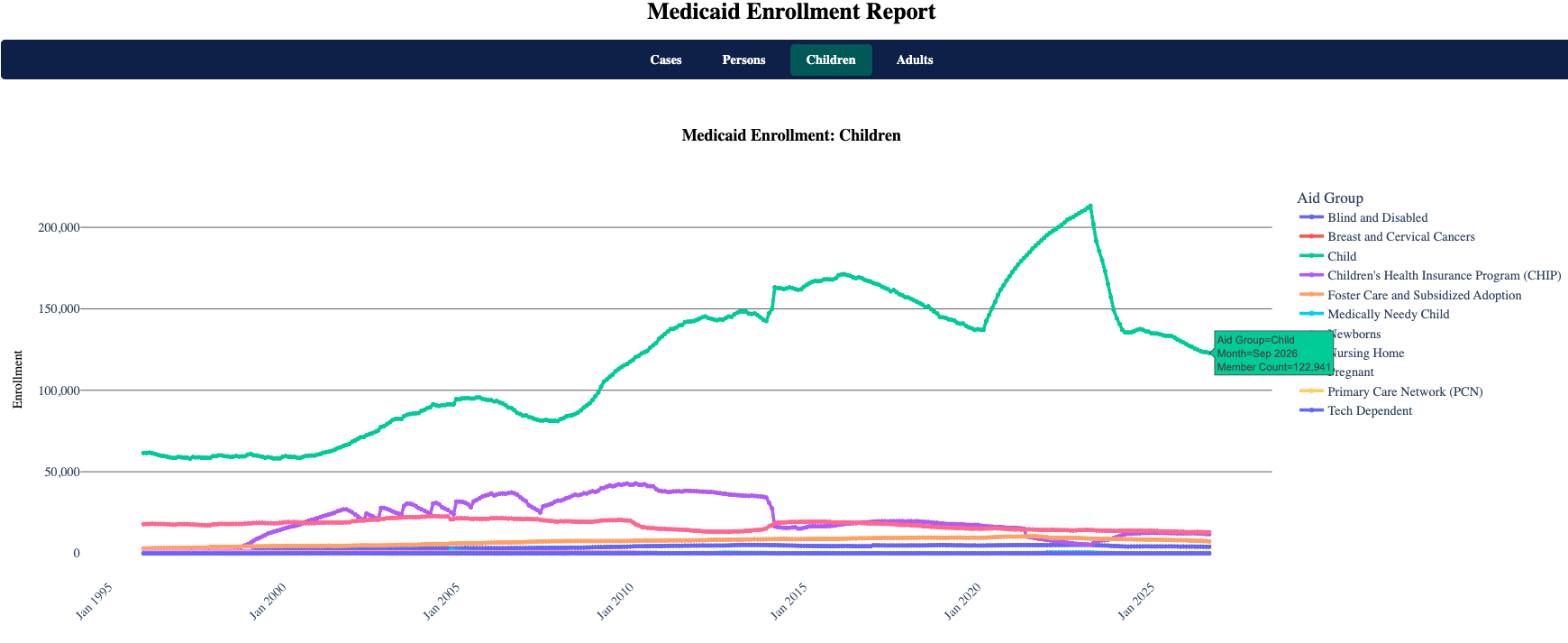 Source: Medicaid Enrollment Report, Utah Department of Health & Human Resources
Voices will also be taking several opportunities this fall and going into the legislative session to educate lawmakers on the state of the safety net system for Utah families. Each of these systems does not exist in a silo. Reducing access to health care, food assistance, child care subsidies, affordable housing, and other safety net services—even when the cuts don’t directly affect most families—puts undue pressure on an already strained system that exists to help families move out of poverty and help the next generation grow and thrive.
Join Us at Our Next Resource Fair
The Protect Medicaid Utah Coalition will hold a second fall resource fair in Moab, Utah. If you are a statewide or local service provider and are interested in registering for a booth here.
Resource Fair Details
- St Francis Episcopal Church (250 Kane Creek Blvd, Moab, UT 84532)
- Tuesday, November 24, 2026
- 3:00pm-7:00pm